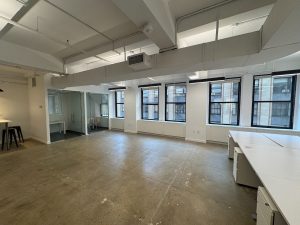

Every week, I get calls from tenants who want the same thing. High ceilings. Brick walls. Big windows. Concrete floors. A space that feels raw and open, not corporate and sterile. They want loft office space in Manhattan, and they usually start their search with zero idea where to find it.
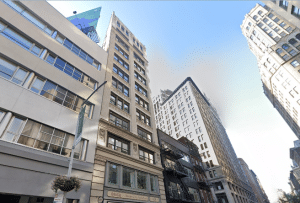
That’s a problem, because loft inventory only exists in a handful of neighborhoods. It sits in old manufacturing and warehouse buildings, mostly below 34th Street, and the pricing swings hard depending on the submarket. Tenants who don’t know that upfront burn time and energy looking in places where the product simply doesn’t exist.
I built this piece around the numbers. Where loft office space in Manhattan is concentrated, what rents look like across those pockets, and how tenants can use the data to search smarter from day one.
First and Foremost: Loft Office Space in Manhattan Exists in About Five Neighborhoods
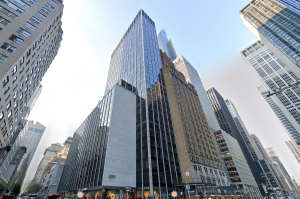
Most of Manhattan won’t give you what you’re looking for. Hudson Yards is all new construction. Grand Central is mostly traditional towers. The Financial District has historic buildings, but those were banks and trading floors, not factories.
Loft office space in Manhattan lives primarily in the following five Midtown South neighborhoods with the highest proportion of former industrial buildings: SoHo, Tribeca, Chelsea, Hudson Square, and the Garment District.
If you want high ceilings, raw finishes, and open floorplates, these would be the neighborhoods you should focus on.
Loft Office Space Pricing by Manhattan Neighborhood (February 2026)
Pricing reflects asking rents for comparable Manhattan loft office buildings as of February 2026, normalized across recent full-floor and partial-floor availabilities rather than signed deals.
The next question is cost. Rents swing significantly depending on the neighborhood and building class, so I pulled asking rents per square foot from CoStar to give you a clearer picture. Rents reflect asking prices for comparable loft office buildings in each neighborhood, normalized across recent availabilities as of February 1, 2026.
| Neighborhood | Class A (PSF) | Class B (PSF) | Class C (PSF) |
|---|---|---|---|
| SoHo | $78.63 | $70.35 | $65.95 |
| Tribeca | $74.06 | $89.95 | $62.00 |
| Chelsea | $86.83 | $56.64 | $54.17 |
| Hudson Square | $83.68 | $67.97 | $57.93 |
| Garment District | $96.46 | $55.93 | $41.94 |
Source: The CoStar Group
How the Neighborhoods Compare (and How Tenants Should Use the Differences)
The table gives you price points. Now you need context. Each of these neighborhoods attracts different tenant profiles, rewards different priorities, and punishes different mistakes. Here’s how I’d walk you through them if we were touring together.
SoHo: The Neighborhood Premium Is Real

SoHo has the tightest pricing spread on the list. Class C space still runs in the mid-$60s PSF, only about $13 below Class A. You pay a premium just for the zip code, regardless of building quality.
Tenants come here when the address works for them. Creative agencies, architecture firms, luxury brands, and client-facing teams that use the office as a showroom. Treat SoHo like a branding line item. If clients walk through your door and the space sells for you, the premium earns its keep. If your team is mostly internal or hybrid, you’re lighting rent money on fire.
One thing worth knowing: the iconic buildings on the main avenues get all the attention, but smaller lofts on side streets often deliver the same ceiling heights and light at lower rents. Pay for the bones, not the building’s Instagram account.
Tribeca: Where the Best Lofts Hide in “Class B”

Tribeca has a pricing quirk that confuses tenants every time. Class B space averages above Class A. That happens because the buildings people want most, heavy timber, oversized freight elevators, huge windows, authentic structure, often get classified below A, even when the space outperforms it.
Media companies, production teams, and investment groups have clustered here for years. The streets are quieter than SoHo, the floor plates tend to run larger, and the feel west of Broadway toward the river skews almost residential.
Do not filter Tribeca searches by class. Filter by bones and building systems. A basic lobby may be immaterial to you if clients do not visit your space. A weak HVAC system will make your team miserable by July.
Consider also that Tribeca’s lower-profile character attracts a specific tenant type: principals who want professional credibility without Midtown exposure. For groups prioritizing discretion over power addresses, Tribeca consistently ranks among the top Manhattan office buildings for family offices and private investment firms.
Chelsea: Range and Value, Block by Block

Chelsea gives you the widest spread of loft office space in Manhattan. Class A hits the mid-$80s PSF, but Class B and C can land in the $50s. The inventory concentrates in West Chelsea between 14th and 30th Streets, in buildings that once housed printing and light manufacturing operations.
Tech and media tenants have landed here for years because the layouts flex well and the transit access holds up. Shop block by block and focus on side streets. Two buildings one block apart can feel like completely different submarkets based on ownership, building systems, and how much original loft character survived renovations.
Hudson Square: The Quiet Compromise
Hudson Square sits between SoHo and the West Village, and tenants consistently overlook it. Pricing lands in the middle of the pack with Class B in the high $60s PSF. Disney anchored its New York headquarters here at 7 Hudson Square, and the neighborhood has built a real identity around media and tech tenants.
If SoHo pricing makes you wince but Chelsea feels too far north, tour Hudson Square early. You’ll find similar ceiling heights and light at a lower cost basis, with SoHo and Tribeca clients a short walk away.
Garment District: The Best Value Loft Market in Manhattan
The Garment District offers the lowest entry point on the board. Class C asking rents average under $42 PSF. Transit access is excellent, and the loft inventory runs deep, tied directly to the area’s manufacturing roots.
Building quality and ownership vary more here than anywhere else on this list. Be selective. If you’re cost-conscious, use the Garment District to buy more square footage or lock in a longer term at a lower base rent. Then spend your diligence on the landlord, because ownership quality will shape your daily experience far more than the address.
Bonus: Underrated Pockets in Flatiron and NoMad

Flatiron and NoMad sit adjacent to the main loft neighborhoods and hold pockets of real inventory, especially in older buildings along Broadway and Fifth Avenue in the low 20s. The concentration is thinner than SoHo or Chelsea, but certain blocks between Fifth and Sixth on 20th and 21st Streets consistently produce strong options.
These aren’t the cheapest loft markets, but the buildings tend to run well. Landlords here often operate with a long-term hold mentality, and building maintenance stays more consistent. Tenants who want loft character without SoHo’s premium or the Garment District’s variability should put these blocks on the tour list.
What to Know Before You Start Touring Loft Office Space in Manhattan
Picking a neighborhood is step one. Step two is where tenants get tripped up. Loft buildings don’t play by the same rules as traditional office products, and the details that seem small on a listing sheet can define your experience for the next five to ten years. I tell every tenant to consider the following five ground rules before we ever hit the street.
Building Class Labels Can Lie to You
Building class (A, B, C) is a subjective, market-relative label. It reflects a mix of rents, finishes, systems, amenities, and perception. It is not a grade on a report card. And in loft submarkets, it gets especially unreliable.
Many tenants want raw character: ceiling height, light, texture, and flexibility. A heavily renovated loft might score higher on paper, but lose the exact traits you came looking for. That’s why pricing gaps between classes can run narrow or flip entirely (see Tribeca above).
Use class as a rough sorting tool when you start your search. Then throw it out the window once you’re standing inside the space.
Screen the Space Before You Fall in Love with the Address
Loft tenants get attached to neighborhoods fast. I get it. But the space itself will drive your day-to-day satisfaction far more than the cross streets. Before you commit emotionally, screen these variables hard:
- Ceiling height and what’s exposed (raw slab, beams, ductwork).
- Window size, orientation, and how deep natural light reaches into the floor plate.
- Column spacing and whether it supports your layout needs.
- HVAC control and after-hours policy, because running air after 6pm in some buildings will cost you.
- Elevator capacity and reliability, especially if you move equipment or host clients regularly.
- Floor load if you run any production, studio, or lab-adjacent operations.
- Noise transfer from the street, mechanicals, or adjacent tenants. A
- Internet riser capacity, because some older lofts still surprise people on that front.
Nail down your non-negotiables early, and the neighborhood question answers itself.
Side Streets Often Beat Main Avenues on Value
The best-known loft buildings sit on major corridors and charge accordingly. Smaller, boutique buildings on side streets usually skip the expensive lobby renovations and amenity packages. That means more of your rent dollars go toward the space your team occupies every day.
If you care about workspace quality over building presentation, these addresses tend to deliver more substantial value: better character per square foot, more authentic finishes, and fewer costs baked into amenities nobody uses. When you tour, separate what the lobby looks like from what the suite feels like. If the lobby does all the talking, ask yourself what you’re paying for behind your front door.
Ownership Quality Will Shape Your Daily Life
A great loft in a poorly run building can quickly become an inconvenience. A good owner makes an older building feel effortless. A bad one turns every maintenance request into a negotiation.
Look for operational tells when you tour. Clean common areas, responsive management, recent capital work on elevators and mechanical systems, clear written after-hours HVAC policies, and organized freight and loading operations. These details predict your tenant experience better than any marketing brochure.
Pay slightly more for a well-run building if you can. Over a full lease term, reliability beats a small rent discount every time.
Think Past Your First Lease Term
Most tenants underwrite year one and ignore year six. That’s a mistake in loft neighborhoods. Submarkets recover at different speeds, and renewal pricing can jump when availability tightens. Recent data shows Midtown South asking rents are climbing faster than other major Manhattan districts.
Match your lease strategy to your time horizon. Model renewal risk using recent comps in the building and on the block. Negotiate renewal options, notice periods, and expansion rights upfront. And favor buildings with multiple comparable loft suites, so you hold real leverage when renewal conversations start.
Today’s asking rent is a snapshot. Rent velocity over the term is what hits your budget.
How to Use All of This When Searching for Loft Office Space in Manhattan
You’ve got the neighborhoods, the pricing, and the screening criteria. Now put it to work with these six steps:
- Start with a Space Brief, Not a Neighborhood List: Write down your physical non-negotiables first. Light, ceiling height, layout flexibility, and HVAC control. Let the space requirements point you toward the right neighborhoods instead of picking a zip code and hoping the inventory cooperates.
- Set an All-In Occupancy Target: Asking rent is one number on a long receipt. Underwrite your effective rent after free rent concessions, tenant improvement dollars, operating expenses, and after-hours HVAC costs. Two spaces at the same asking rent can land tens of thousands apart once you add everything up.
- Pick Two Anchor Neighborhoods and One Value Alternative: Your anchors should match your brand needs and your team’s commute patterns. The value alternative keeps you honest on pricing and gives you real leverage at the negotiating table. Nobody negotiates well with only one option.
- Tour with a Scorecard: Rank every space on daylight, ceiling condition, column layout, HVAC quality, noise levels, and ownership professionalism. Gut reactions are fine, but don’t let a staged suite with nice furniture override a fundamental flaw you’ll live with for seven years.
- Underwrite the Landlord Like a Business Partner: Ask for building specs, recent capital improvements, and operating rules in writing before you sign anything. A loft is not commodity office space. Bad ownership will show up in your P&L as lost time, slow repairs, and surprise costs.
- Plan Your Next Move While You Sign This Lease: If you expect headcount growth over the term, prioritize buildings that can offer adjacent suites or comparable floors. Growing out of a loft you love because the building has zero expansion options is a problem you can avoid upfront.
Remember, loft office space in Manhattan is a finite product. Good inventory in well-run buildings moves fast, especially when availability tightens. Once you find a space that checks the physical boxes and sits under competent ownership, move on it.
The next tenant touring behind you probably wants the same thing.
The Real Decision on Loft Office Space in Manhattan
A $42 PSF loft in the Garment District and a $70 PSF loft in SoHo look nothing alike, operate nothing alike, and attract completely different tenants. Rent is one line on the spreadsheet. What you’re solving for matters a lot more.
Some tenants need the space to sell for them. Clients visit, the office tells a story, and SoHo or Tribeca earns back every dollar of that premium. Other tenants need square footage, flexibility, and a lease that doesn’t eat the operating budget alive. Chelsea and the Garment District will give you that. Hudson Square lands somewhere in between for tenants who want proximity to the premium neighborhoods without paying full freight.
Most tenants figure out the neighborhood faster than they expect. The building is where the real work lives. Two lofts on the same block can feel like different planets depending on who owns them, how the systems run, and whether the last renovation preserved the character you came looking for or gutted it.
Spend your energy there.