
For 5 years I was the most relaxed broker in Manhattan. Nearly every space I showed from March 2020 into 2025 had exactly 1 bidder, and I’d brought them. When someone wanted 3 weeks to think it over, I told them to take 4.
However, this summer was a different story. A client took that advice and lost her first Manhattan office space bidding war without knowing she’d entered one.
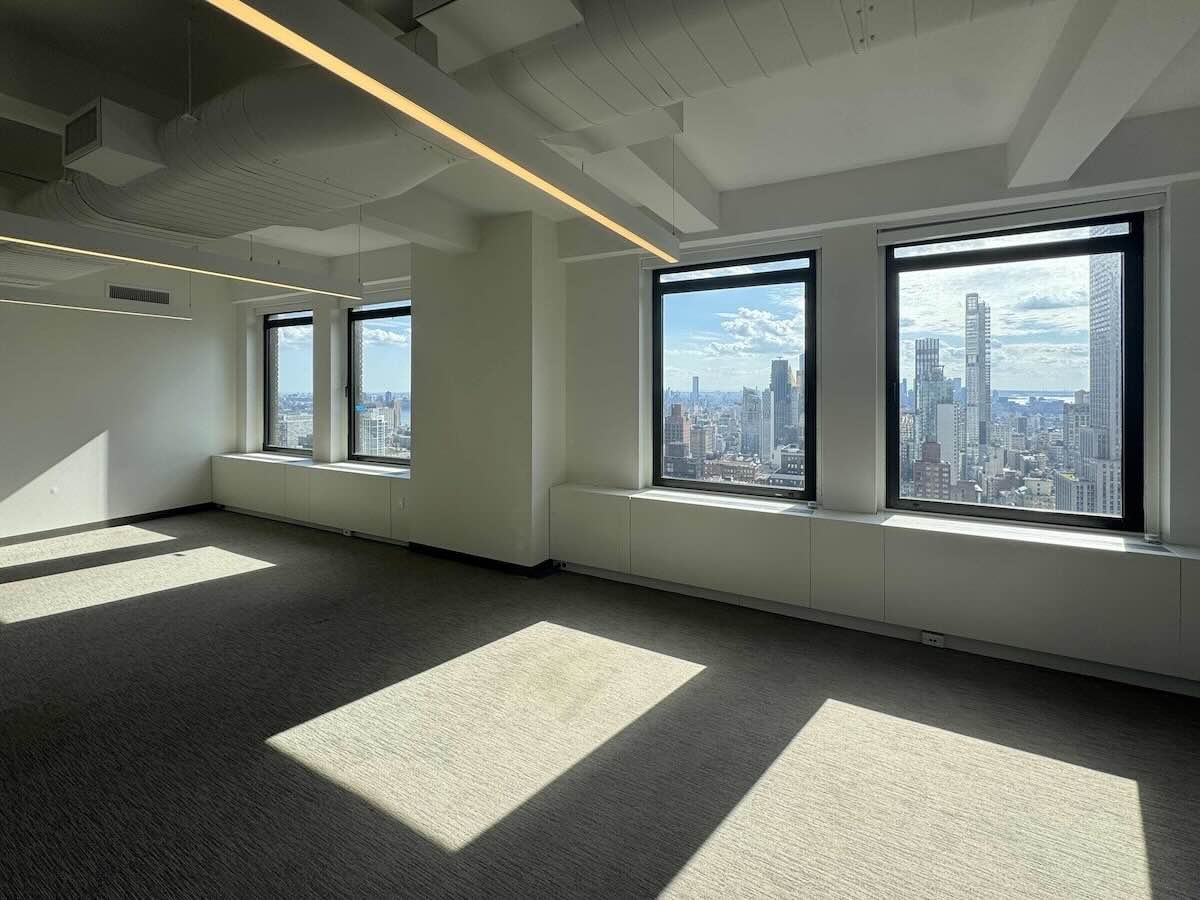
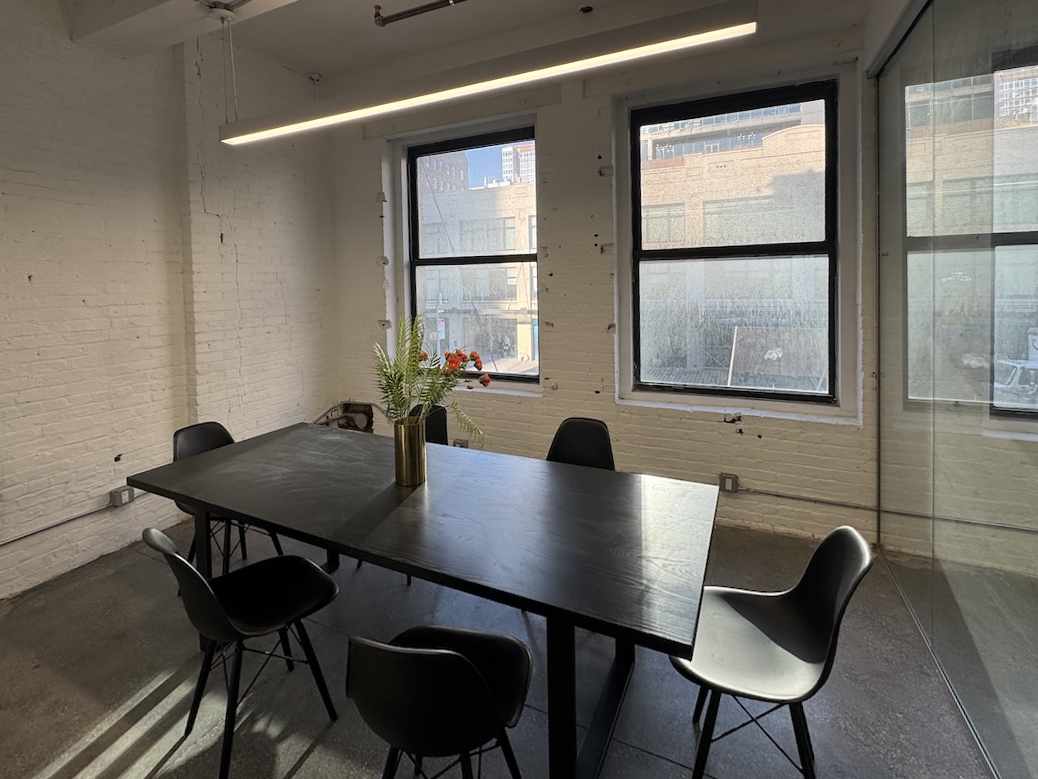
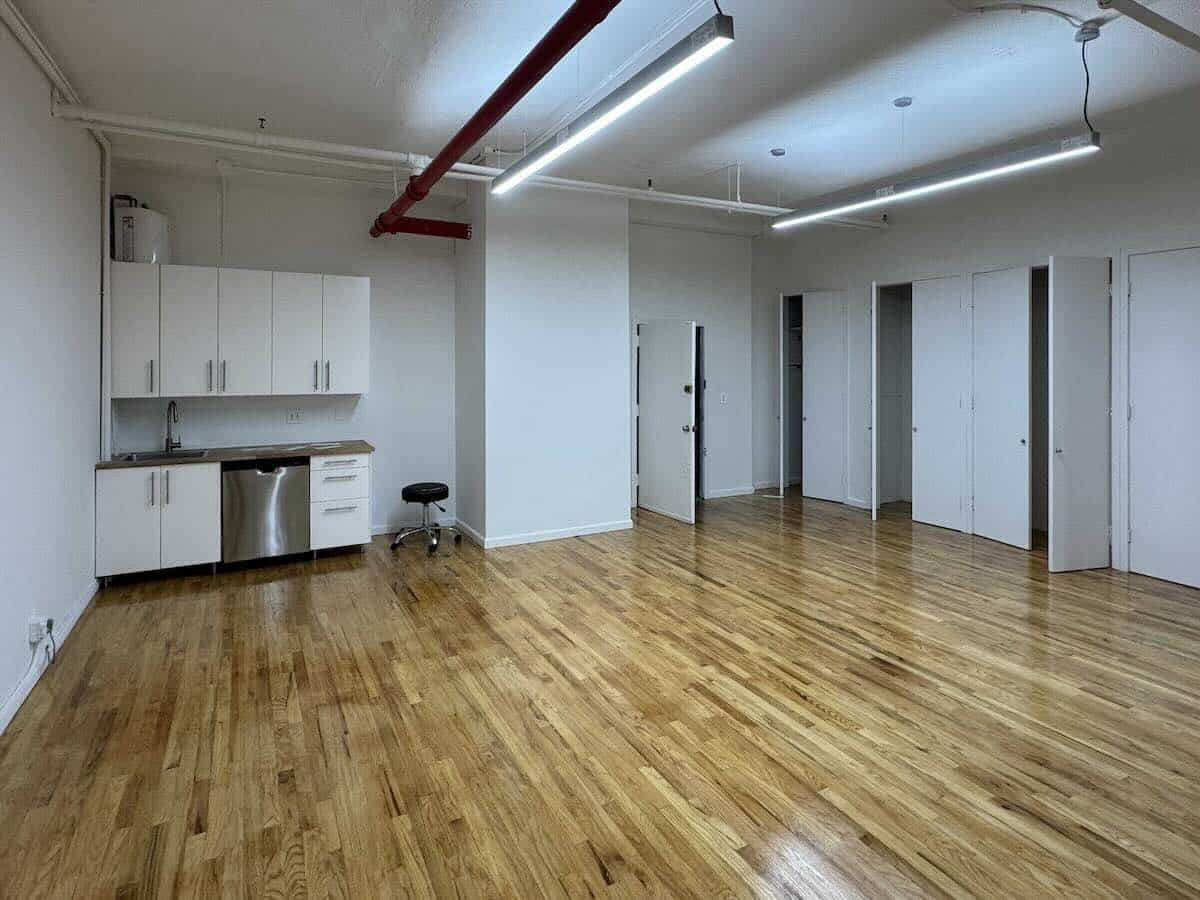
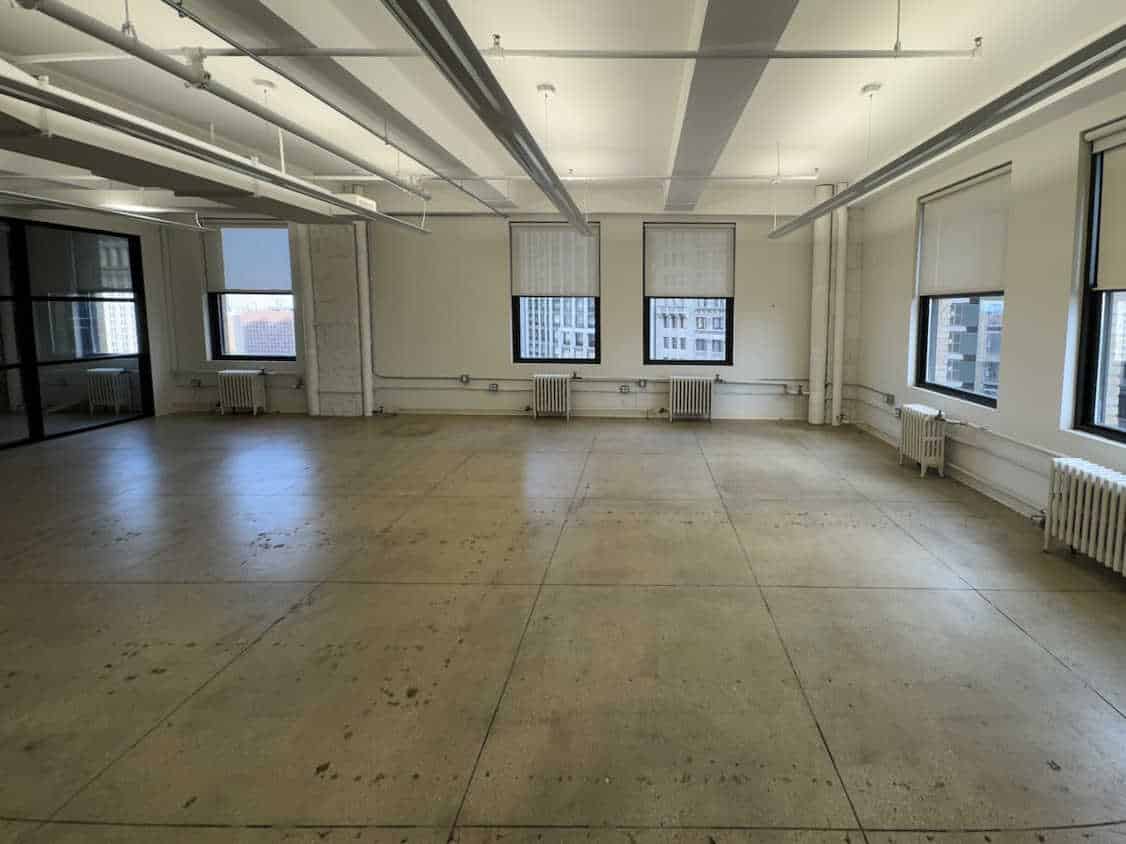
She runs a 9-person accounting firm near Grand Central. We toured 6 spaces one afternoon in July, and she had her sights set on 2 of them.
Unfortunately, so did every other tenant touring that month. Her partner was in Montauk, and she wasn’t authorizing me to submit an offer without his green light.
She called me the day he got back, ready to submit a proposal. The first space had a lease out for signature, and the second had 2 offers on the landlord’s desk.
“What do you mean it’s gone?” she said. “We were there 3 weeks ago, and the place was available.” It was available, I told her. So is every office in Manhattan, right up until somebody signs a lease.
Commercial Observer made it official on September 8: bidding wars for Manhattan office space are now a thing. Most of that coverage follows AI companies with investor cash to burn.
I’ve closed 400-plus leases in 22 years at Metro Manhattan, most of them for small businesses like hers. Her second space was still in play, and what she did with it is the rest of this story.
Why 13% Availability Didn’t Save Her
First, though, she wanted to argue. She reads the Wall Street Journal, and she knew about 13% of Manhattan’s office space was available. Who fights over 3,000 feet in a market like that?
Colliers took that number apart in July. It pulled out buildings headed for residential conversion or stuck with a special servicer. Then it dropped anything more than a 10-minute walk from a subway, and the rate fell to about 11.1%. Colliers also found that 29% of listed space had sat empty for over 3 years, and floors don’t sit that long by accident.
She wanted the other kind, priced near-market in a building somebody takes care of. Offices like that draw offers within days, so waiting 3 weeks on one is like waiting 3 weeks to call about a rent-stabilized apartment.
Bidding Wars Used to Be Somebody Else’s Problem

She wasn’t done arguing. For most of my career, a bidding war for a Manhattan office space happened to hedge funds chasing a Park Avenue view while the rest of us shopped in peace.
How did a 9-person firm end up looking for about 3,000 SF?
Demand got strong enough to spill down to her size. The Real Deal reports that tenants leased 29.91 million SF through August, which puts 2026 on pace for Manhattan’s best year since 2000. I called the squeeze in my 2026 predictions last December.
Avison Young also says a growing share of deals now comes from tenants under 50,000 SF. A 3,612 SF space at 1261 Broadway went from a $44 ask to $53 in one bidding war, per Commercial Observer. That’s about $32,500 a year, which a startup sitting on $30 million won’t even notice.
Her second space had a startup like that circling it.
The Highest Bid Lost on West 26th Street
Then she got to the point.
“So how does a 9-person firm outbid $30 million in venture money?” she asked. It doesn’t, I told her, and it doesn’t have to.
Winning an office bidding war means inducing the landlord to issue you the lease, and money is only one inducement. Anyone who’s survived a co-op board knows the richest buyer doesn’t always get the apartment.
Commercial Observer found the proof at 151 West 26th Street in Chelsea. A top floor asking $56 a foot drew offers up to $70. The high bidder was an AI company, but the owners passed because they weren’t sure its cash would outlast the lease. A firm with better credit that would commit for the long haul got the floor.
Adam Henick of Current Real Estate Advisors calls these contests “a beauty pageant between the credit profiles.” I liked my accountant’s odds in that pageant. The catch is that the judges are the most suspicious people in New York.
Why Your Landlord Assumes the Worst

Landlords come by that suspicion honestly. Every one I’ve sat across from dreads a tenant who stops paying in year 2 and leaves him holding an empty floor. Older owners watched dot-coms hand back keys in 2001, and younger ones got their scare from WeWork.
Like any banker, he also loves a track record. He’ll sweat a 2-year-old startup harder than my accountant’s firm, which has paid rent since Bloomberg was mayor. Newmark’s David Falk says his client got fast answers because its rivals were “literally 2 years old.”
A landlord, though, still has a soft spot for growth. Take 2,000 feet off the bat and convince him you’ll need 5,000 or 10,000 in a few years. Before you know it, you’re an anchor tenant who fills his building for him.
Whether he buys that narrative depends on how you package the tenancy.
Packaging Your Tenancy for an Office Bidding War

Packaging is broker-speak for the loan application you send with your offer. It’s how you prove you won’t be the landlord’s next WeWork story.
My accountant almost skipped hers. She keeps the cleanest books in Midtown, and until that week only the IRS had seen them. Her first draft of the lease offer summed up the firm in 2 sentences her lawyer wrote. That’s like applying for a mortgage on a cocktail napkin.
We spent 2 days building a real proposal package and sent it before anyone asked. It had 2 years of tax returns, a P&L, bank statements, and a reference from her landlord. Page 1 showed how the firm makes money and how fast it’s growing. Its first line read “Established in 2006.” It’s these little things.
A landlord comparing 3 offers remembers the one that answered his worries before he raised them.
If You’re the Startup, Show Them the Money
Her rival for that space was a 2-year-old AI company with a bigger bid. If that’s you, relax a little. Colliers says AI firms jumped from 12% of Manhattan tech leasing in 2025 to over a third in early 2026. Landlords sign young companies all the time, but they won’t sign a pitch deck.
Cash convinces them. Say you’re pre-revenue with $20 or $30 million raised. Lay out your headcount and burn rate, then show the money covers the rent for the whole term even if sales never come. The AI company on West 26th Street lost on exactly that point.
Offer a letter of credit for the security deposit, and expect the landlord to ask for a Good Guy Guarantee. Have both answers ready before you tour startup and tech space, because “let me check with my board” hands the other bidders a week.
Don’t Be a Wise Guy on Your Offer

The same draft had another problem. It came in 15% under the ask with 6 months free, because a friend who leased space in 2022 swore you always start low. He was right then, and I helped plenty of clients get favorable deals with scared landlords. Today the same offer gets you ignored, so we tore it up.
Landlords price close to market now, so the haggling happens on the periphery. Maybe you get the escalation cut from 3% to 2.5%. On 3,000 feet at $60 a foot, that half point saves about $20,000 over a 7-year lease. A little free rent is fair game, and so is a buck or 2 off the ask.
Come in 25% low and demand an above-standard build-out, and you’ll leave a bad taste in the landlord’s mouth. Meanwhile, he has 2 other offers from people who didn’t insult him. A Vornado executive told a Bank of America conference on September 15 that New York is “a landlord’s market, period.” His team has been raising rents every week or 2.
Don’t Be a Wise Guy on the Build-Out Either
Tenants who’d never dream of lowballing the rent will still hand a landlord a build-out wish list the length of a CVS receipt. Everything on it is landlord’s work, which the owner pays for before you move in. Construction in Manhattan costs a fortune, and JLL ranks New York among the priciest cities on earth for office build-outs.
Every extra raises his cost of landing you, and he’s weighing your offer against 2 others. A tenant who needs minimal work can win at the same rent, or even less. I’ve watched clients lose an office bidding war over a single glass conference room.
Of course you want an efficient layout with the right number of offices and conference rooms, and any reasonable owner expects to build that. Just don’t go overboard on above-standard items like glass, built-ins, specialty lighting, and floor treatments. Each one adds cost and another round of pricing from his contractor, and the asking rent can climb while you wait.
You Snooze, You Lose the Office Bidding War

Rents that move every week or 2 punish anyone who waits, which is why “you snooze, you lose” is the most accurate cliché in New York leasing. Dilly-dally, and the space goes to someone more decisive.
Decisive looks like Ford Models. Its broker called about space at 36 East 31st Street in March, and the agency toured it that afternoon. Commercial Observer reports the proposal went out 3 hours later, and both sides signed within 2 weeks.
Speed like that comes from homework. Bring whoever signs the lease to the first tour, even if you have to drag him back from Montauk. Settle your lease term and line up an attorney for the lease clauses before you tour. Then send an offer, since Falk says a landlord with a hot space may not even answer a request for proposal.
Where Small Tenants Can Still Breathe
Not every search for Manhattan office space ends in an office bidding war, though. The crowd chases furnished floors in Midtown South, where tech does 2 of every 3 feet of its leasing. A tenant who can live without that address has more room than the headlines suggest. My list of small-business neighborhoods shows where.
Colliers puts availability at 6.5% on Park Avenue and 20.3% on Third Avenue, 2 avenues east. Avison Young’s research desk counted 3.7 million SF of Class B leasing last quarter as tenants flocked to hubs like Grand Central and Penn Station. A well-kept Class B building by a train won’t wow your clients, but it will get you Manhattan office space at a rent you can live with.
Your Broker Wins the Office Bidding War on the Phone

Wherever you land, once the offers are in, my job changes. Finding the space was the easy half. The hard half is making an owner want my client, and that starts with whether his agent picks up.
A broker who can’t get the listing agent on the phone is a LoopNet subscription with a business card. Mine costs you nothing, since the landlord pays the commission. Deals between 2,000 and 10,000 SF are what I do all day.
I know which owners read a balance sheet line by line and which ones leave a small tenant’s offer under a coffee cup for a week. When an agent says there’s “a lot of activity,” I can usually tell if he means it. The listing agent on my accountant’s space had closed 4 deals with me, so he took my call on the first ring. Lately, that counts as a love letter.
How She Won the Second Office Bidding War

We sent an offer close to the asking rent on a 7-year term. She agreed to take the old tenant’s layout with fresh paint and pushed only on the escalation. The landlord picked her even though her AI rival bid higher and wanted a custom build-out.
His agent called me the afternoon she signed. “Your client sent everything before we asked,” he said. “Do you know how rare that is?” I do, and she won that office bidding war without outbidding anyone.
I’d love to tell you the little guy always wins, but that’s not always the case. A company that needs a furnished floor in Flatiron by November should expect to pay over the ask. Still, landlords pick steady over flashy more often than tenants think. A firm that’s paid its rent on time since 2006 has something venture money can’t buy in a hurry.
If your lease runs out in the next 18 months, call me before you tour anything. I’ll tell you which buildings on your list already have a line out the door. I’ve retired as the most relaxed broker in Manhattan, and my clients seem to like the new guy better.