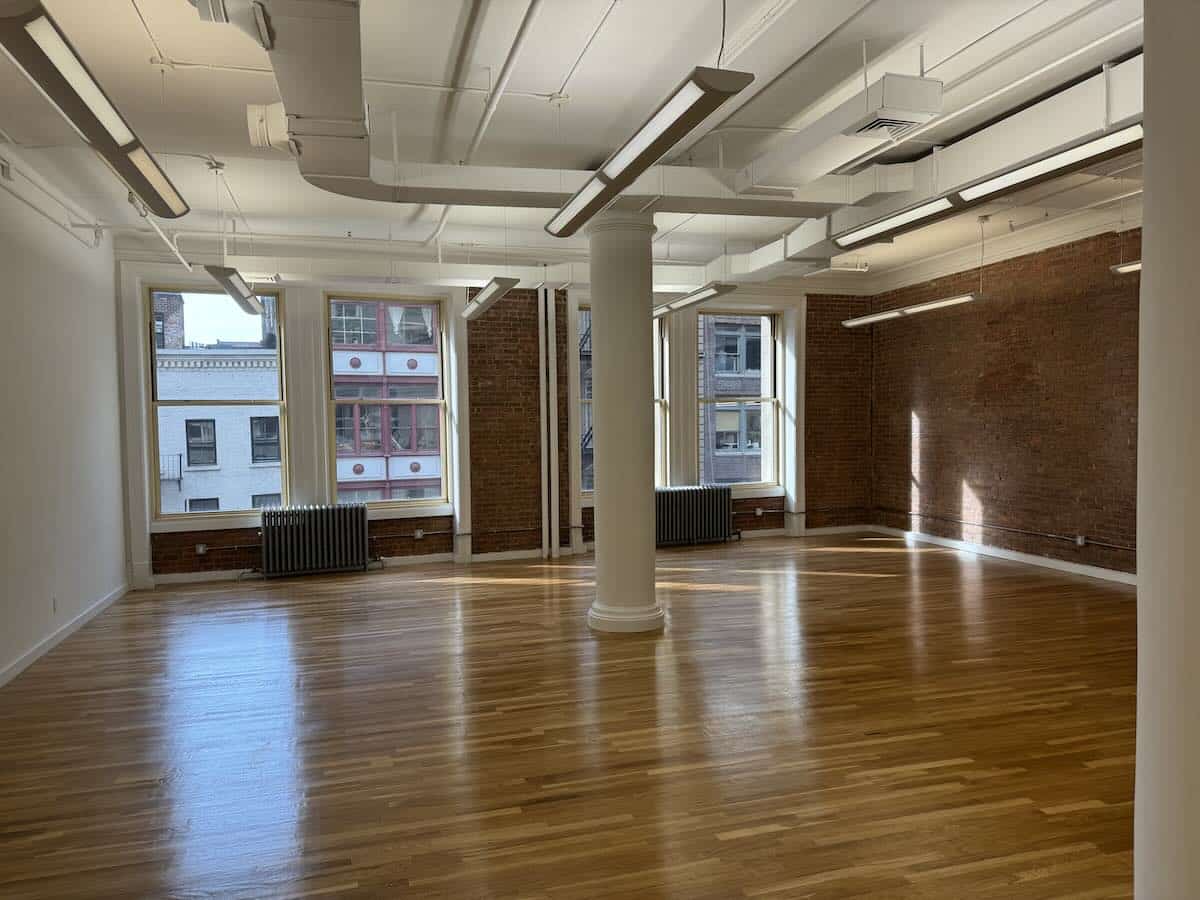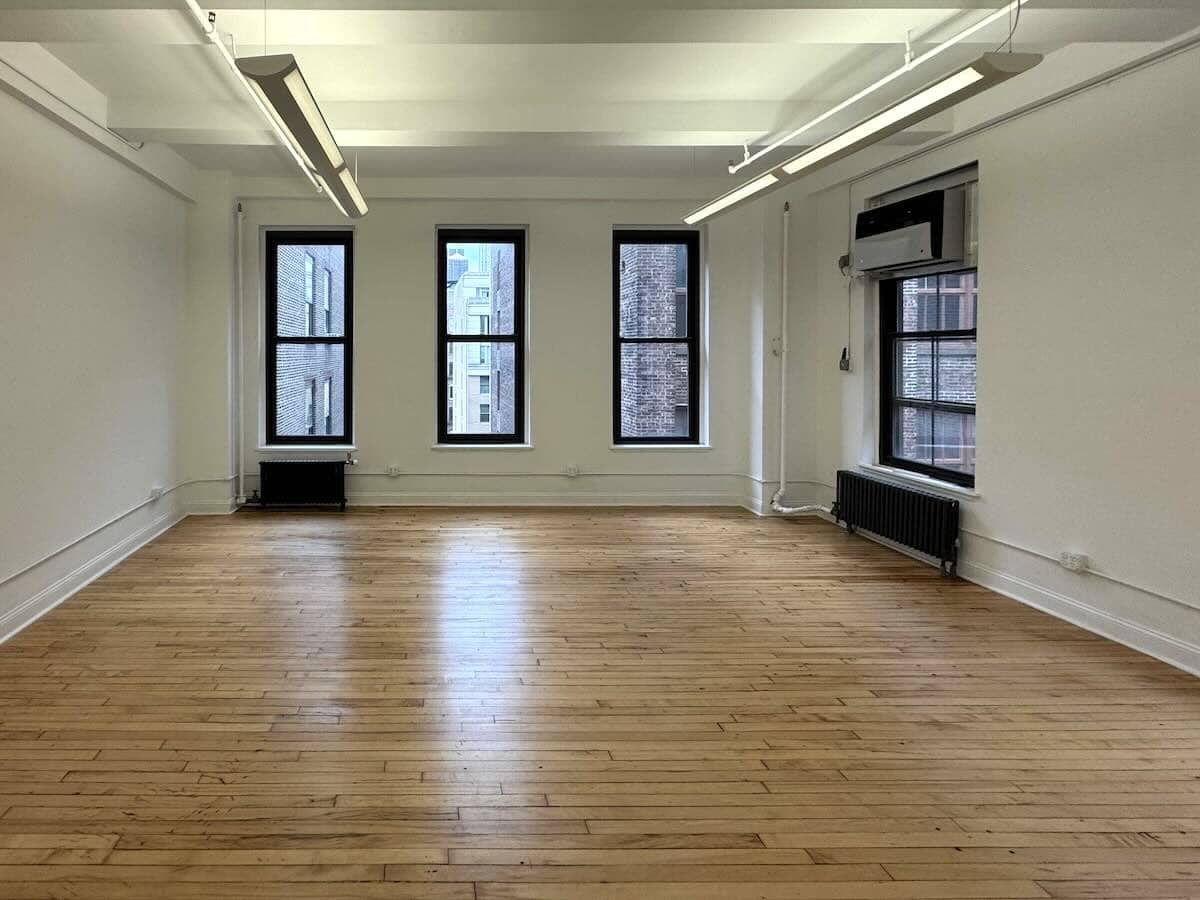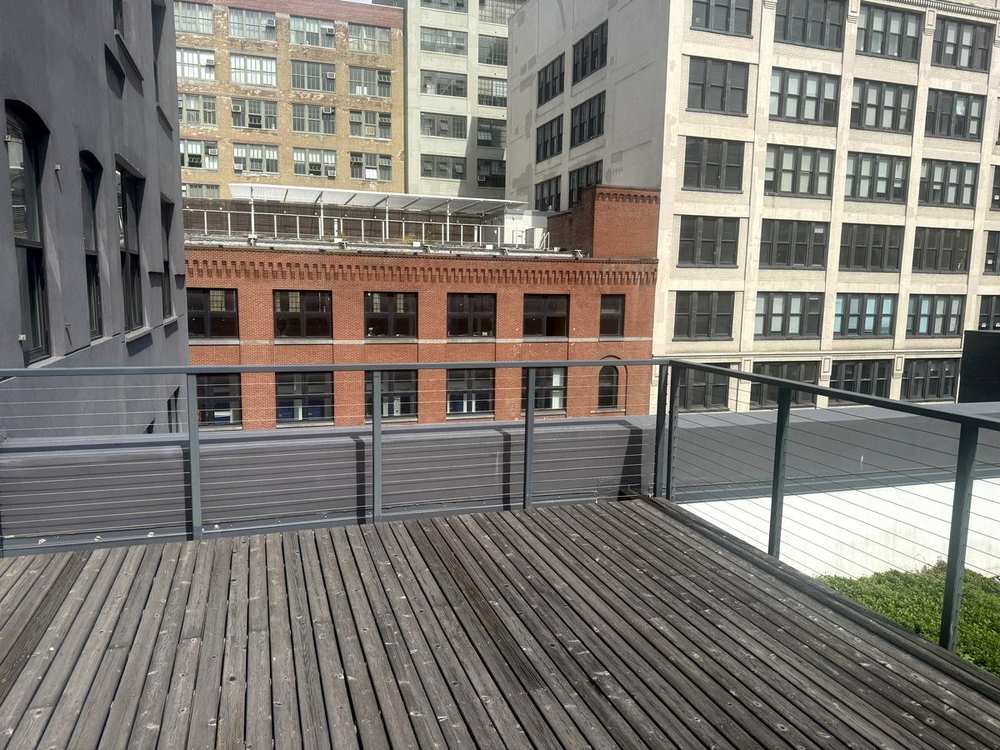
A sublease can be a great way to get into a Manhattan office without paying for somebody else’s expensive buildout from scratch. You move into a space that already works, usually at a better rent, and for a while everybody’s happy.
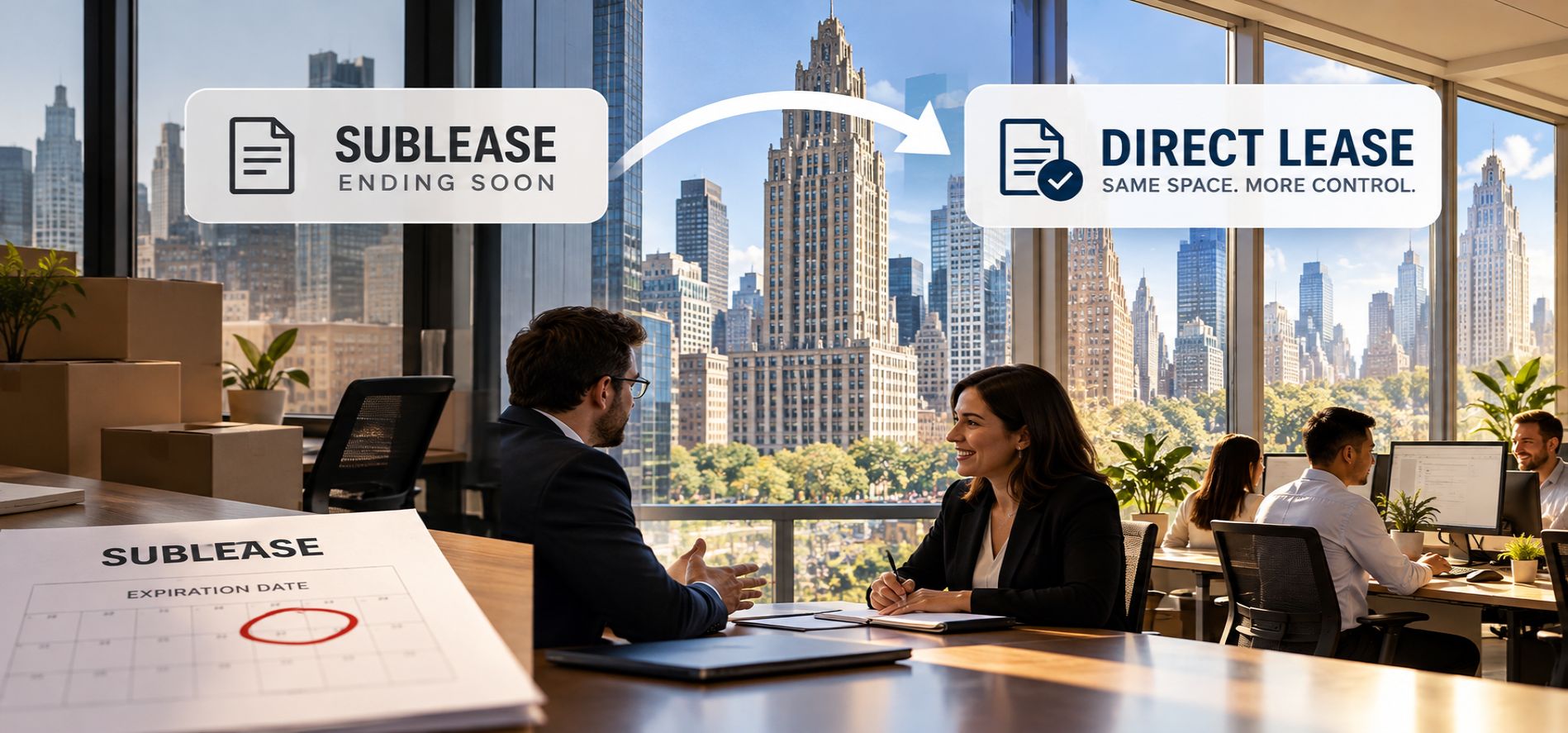
But once the expiration date starts getting close, tenants suddenly remember they’ve built their routine around a space they don’t really control.
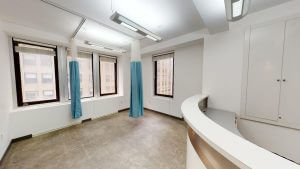
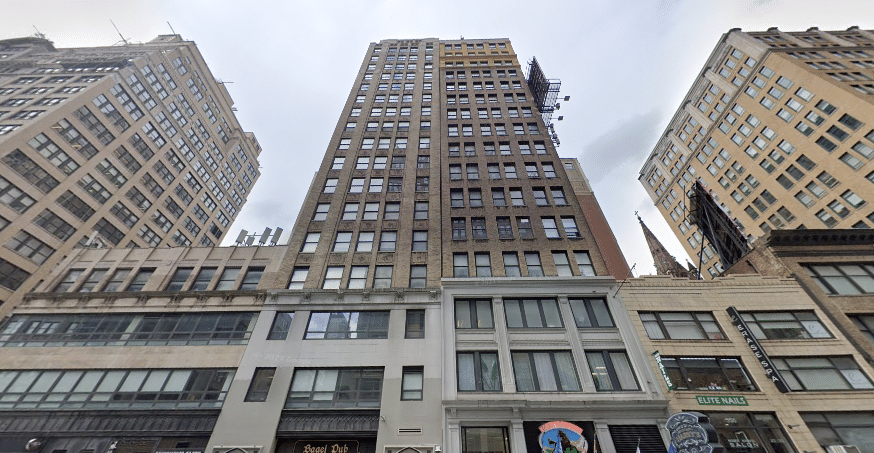
MediaRadar found itself in exactly that position at 11 Bryant Park Plaza and decided it had no reason to leave just because the sublease was ending. The company was already comfortable on the full eighth floor, so it worked out a direct lease with the building’s owners for the same 15,931 square feet and another five years.
That’s the part worth paying attention to if your own sublease is getting close to the finish line. If the office still fits, the building works, and your people are happy there, moving simply because the paperwork says your term is up can be an expensive reflex. Once you add lawyers, movers, construction, and the inevitable surprises, staying starts to look a lot more interesting.
You just don’t want to reach that conclusion after the landlord has already figured out how badly you want to stay. The earlier you start the conversation, the easier it is to negotiate like you still have options.
What MediaRadar Pulled Off on West 41st Street

What MediaRadar pulled off was pretty simple: it turned a temporary foothold into five more years without moving a desk.
The setting helped. 11 Bryant Park Plaza, aka 114 West 41st Street, sits just west of Sixth Avenue in the Bryant Park submarket, where CBRE told Commercial Observer that asking rents run about $75 to $95 a foot.
The owners have also been putting money into the building, with a renovated lobby, tenant café, upgraded elevators, and refreshed facade. New tenants are following, including Spot & Tango one floor below MediaRadar.
What really catches my eye, though, is the owners’ basis. AM Property Holding, Axonic Capital and Eyn Holdings paid $133 million in 2025, less than half the $282 million Clarion Partners paid in 2018. With that kind of cost basis, owners can price floors to fill them, and they’d much rather keep a paying tenant than gamble on a stranger.
Can a Subtenant Turn a Sublease Into a Direct Lease?
Yes, but only if the landlord agrees.
Your sublease is with the tenant who holds the master lease, not with the building owner. If that master lease ends, your right to occupy the space can disappear with it, which is why subtenants sometimes ask for a recognition agreement. That gives the landlord a way to recognize your tenancy directly if the master lease falls apart.
For a planned conversion, there are usually two cleaner routes:
- Wait for expiration: Your sublease runs its course, then your direct lease with the landlord begins.
- Convert early: Your sublandlord gives the space back, and you sign directly with the owner.
Either way, the landlord controls the door. It has no obligation to convert your deal, and recognition requests can meet plenty of resistance.
That’s why timing, leverage, and the landlord’s appetite for keeping you matter so much.
Why Subleases End in Sticker Shock
Let’s say the landlord is willing to keep you. Great. Now comes the part that catches a lot of subtenants off guard: the rent you’ve been paying may have very little to do with what the landlord thinks the space is worth.
That’s the whole appeal of a sublease. The company holding the master lease wants relief, so it may price the space aggressively just to get someone in the door. In Q3 2026, CBRE put Midtown sublease asking rents at $61.05 a foot, compared with $85.53 for Midtown office space overall.
On 2,500 square feet, you’re talking about roughly $61,000 a year between those two numbers.
The problem is psychological as much as financial. After a few years, your discounted rent starts to feel like the rent. Then the landlord hands you a direct-lease proposal, and suddenly you’re negotiating from today’s market, not yesterday’s bargain.
Manhattan’s Sublease Bargain Bin Is Almost Empty

That jump to today’s rent would be easier to swallow if you could simply walk out and grab another cheap sublease down the block. A few years ago, you often could. Manhattan was swimming in excess space, and tenants willing to take somebody else’s leftovers had plenty to choose from.
Now, a lot of those leftovers are gone. JLL counted less than 11 million square feet of Manhattan sublease space in Q2 2026, down from roughly 23 million at the late-2022 peak, while Colliers says overall availability has fallen to 12.4%, its lowest level since August 2020.
You can see the change in who’s shopping, too. AI firms were happy to scoop up discounted subleases a few years ago, but Savills found their sublease share dropped from 42.3% to 17.5%.
So if your current deal expires, I wouldn’t count on finding another bargain around the corner. Good sublet office space still exists, but you’re competing for a much smaller pile.
Your Below-Market Rent Is Your Bargaining Chip
The funny thing is, the same cheap sublease rent that can hurt you later can help you now.
Say you’re paying $60 a foot in a building where direct deals are closer to $85. The landlord may be willing to split the difference now in exchange for something it values just as much: certainty. You stay, the floor stays occupied, and the owner avoids downtime, brokerage, concessions, and another buildout.
That’s a much better conversation than showing up six months before expiration and announcing that you’d really prefer not to move.
The market is also moving faster than it was a few years ago. Commercial Observer has reported more Manhattan deals getting done off-market, especially in the 5,000-to-20,000-square-foot range, before most tenants ever get a look.
I’d use the rent gap while you still have it. Figure out what staying saves you, what leaving would cost, and where your walkaway number really is before the landlord starts doing that math for you.
What Your Raise Should Buy You
Once you’ve decided you’re willing to pay more to stay, make sure that extra rent buys you something besides the privilege of writing a bigger check.
I’d want the direct lease to clean up the weak spots you lived with as a subtenant:
- A Fixed Rent Schedule: Lock in the starting rent and annual escalations now, so you know what the next five years actually cost.
- A Renewal Option: Don’t get comfortable all over again and wind up back in the same spot at expiration. Put the option in the lease rider.
- Room to Change: Ask for a right of first offer on nearby space and the ability to sublease later if the company grows, shrinks, or changes direction.
- Something for the Space: You may not get a huge free-rent package, but I’d still push for a modest build-out allowance, fresh paint, carpet, or whatever the office needs.
MediaRadar took five years. For a growing company, that’s enough runway without marrying the building.
What a Direct Lease Costs You That a Sublease Didn’t

Once you’ve figured out what the higher rent should buy you, look at what going direct puts on your side of the ledger.
A sublease lets you hide behind somebody else’s lease in ways you may not appreciate until that protection disappears:
- Security: Your landlord may now want a larger security deposit, a letter of credit, or a good guy guarantee.
- Credit Scrutiny: Tax returns, financial statements, and a full tenant proposal package become your problem, not your sublandlord’s.
- Restoration Costs: The direct lease may leave you paying to restore the space when you move out.
- Furniture: Desks, chairs, and conference tables that came with the sublease may still belong to the company you subleased from.
- Extra Charges: Operating expenses and other hidden lease costs can suddenly show up in your deal.
Of course the rent increase gets your attention, but these are the items that quietly make the direct lease more expensive than it first looks.
Sublease vs. Direct Lease: A Bet on Both Sides
Those extra costs are worth counting, but the bigger wager is the rent itself. The minute you trade your sublease for a five-year direct lease, you’re making a call on Manhattan that won’t be settled for years.
Suppose the AI boom cools, companies dump space and rents fall. You could spend the rest of your term watching better deals appear while you’re stuck paying the number you locked in.
The opposite can hurt the landlord. Savills and CompStak found the average Manhattan lease term for AI firms has nearly doubled since 2020 to 90.9 months. Keep that demand going, and today’s expensive rent may look pretty good three years from now.
| Market Goes… | Tenant | Landlord |
|---|---|---|
| Down | Wishes it stayed flexible | Loves the fixed rent |
| Up | Loves the fixed rent | Wishes it charged more |
Nobody knows which column Manhattan lands in. That uncertainty is exactly what both sides are negotiating.
Who Should Convert a Sublease to a Direct Lease

That market bet gets a lot easier to live with when the space already works for you.
I’d take a direct conversion seriously when most of this is true:
- You’re Paying Below Market: There’s still enough discount left to use as leverage.
- Expiration Is Getting Closer: A couple of years out is usually when the conversation starts getting real.
- You Want to Stay: The location, layout, and building still fit where the company is headed.
- Your Financials Hold Up: The landlord is going to underwrite you this time.
- You’ve Underwritten the Landlord Too: Check the building’s debt and ownership before you commit.
I’d be slower to move if your headcount could swing wildly or you still have four cheap years left.
Just don’t push the decision to the final six months. A normal office search under 5,000 square feet can take 9 to 12 months, and landlords get very good at reading a tenant who’s running out of runway.
Don’t Let the Expiration Date Negotiate for You

The worst time to decide whether you want to stay is when your sublease has six months left and everybody in the room knows moving would be a pain.
By then, the landlord has the advantage, your alternatives are thinner, and the cheap rent you got used to is about to disappear anyway.
I’d rather start earlier and find out what a direct deal really looks like while you still have room to say no. That means looking past the asking rent and into the concessions, escalations, buildout dollars. and every other piece that changes what the lease actually costs.
It also helps to know who you’re dealing with. I’ve negotiated with New York landlords since 2004, and some are far more practical about keeping a good subtenant than others. A tenant rep broker should know the difference before you make the first move.
MediaRadar decided staying on West 41st Street was worth locking in. Your answer may be different.
If your sublease has a couple of years left, contact me before the calendar starts negotiating on your behalf.