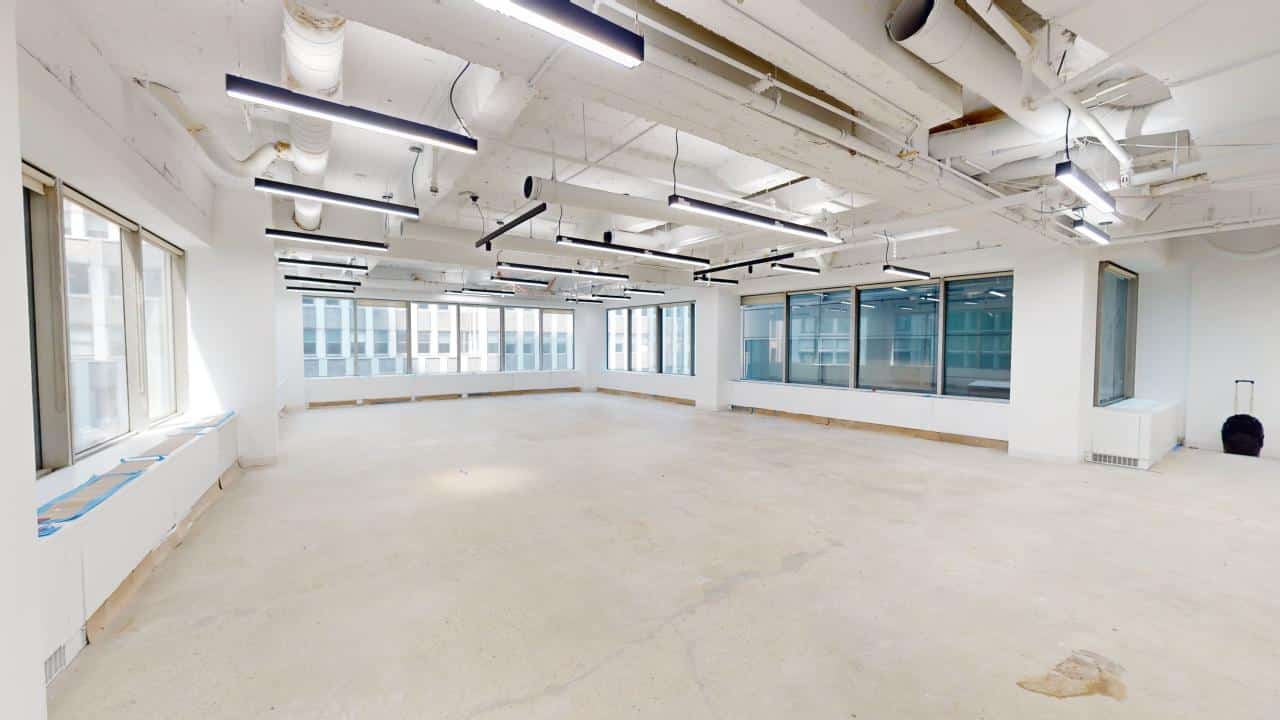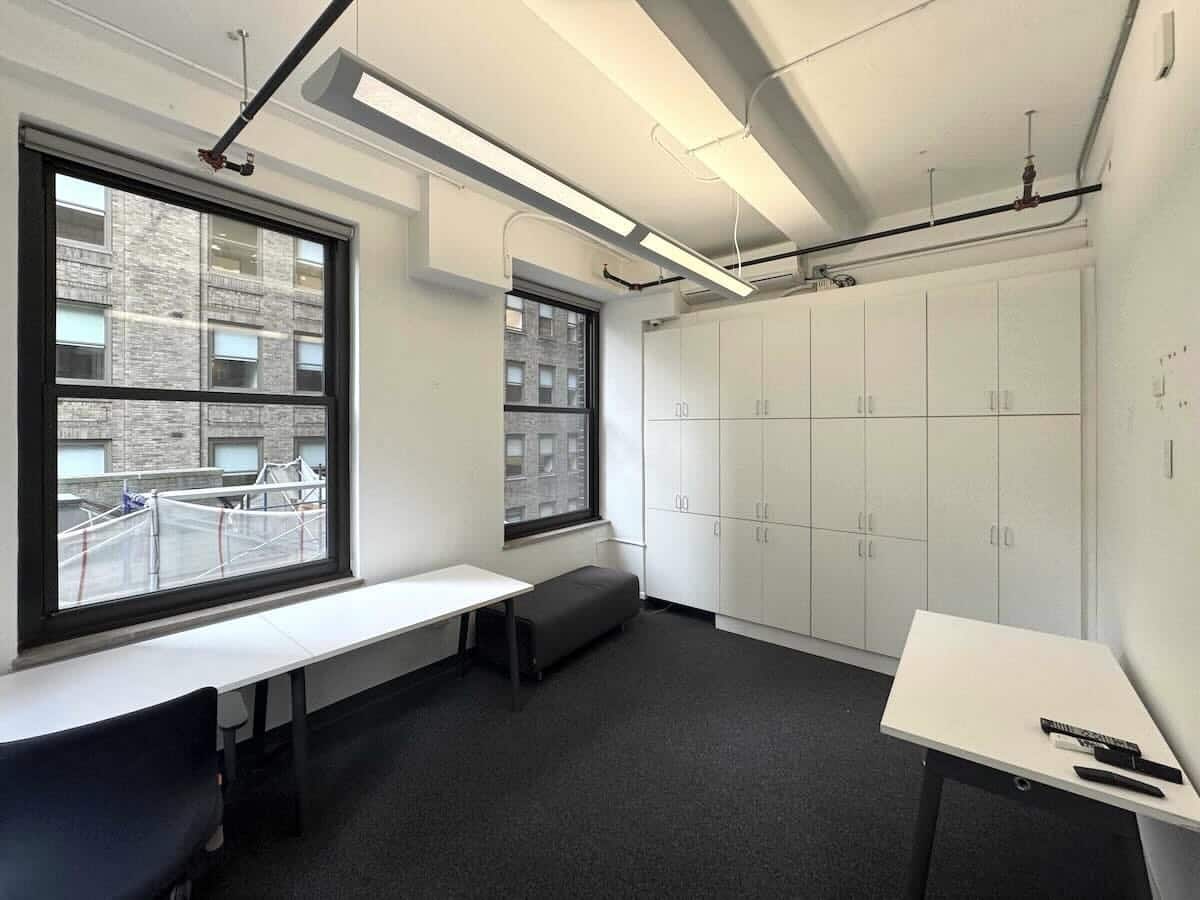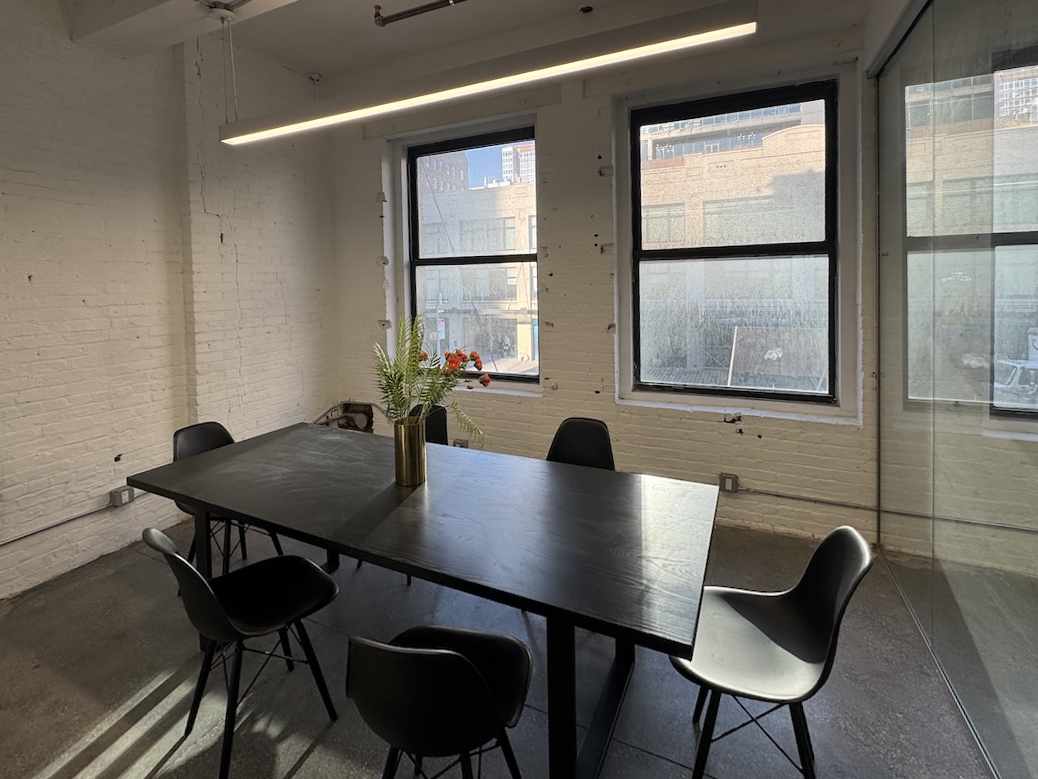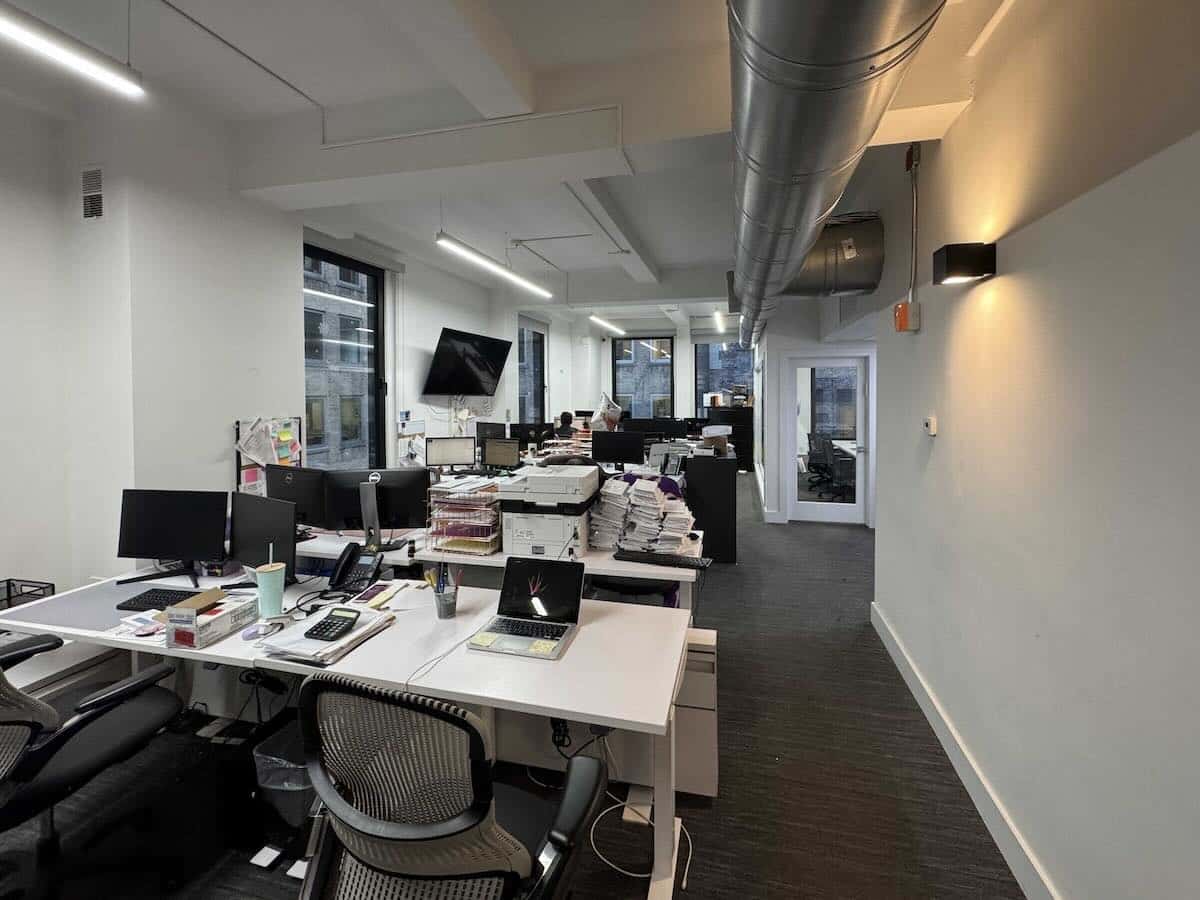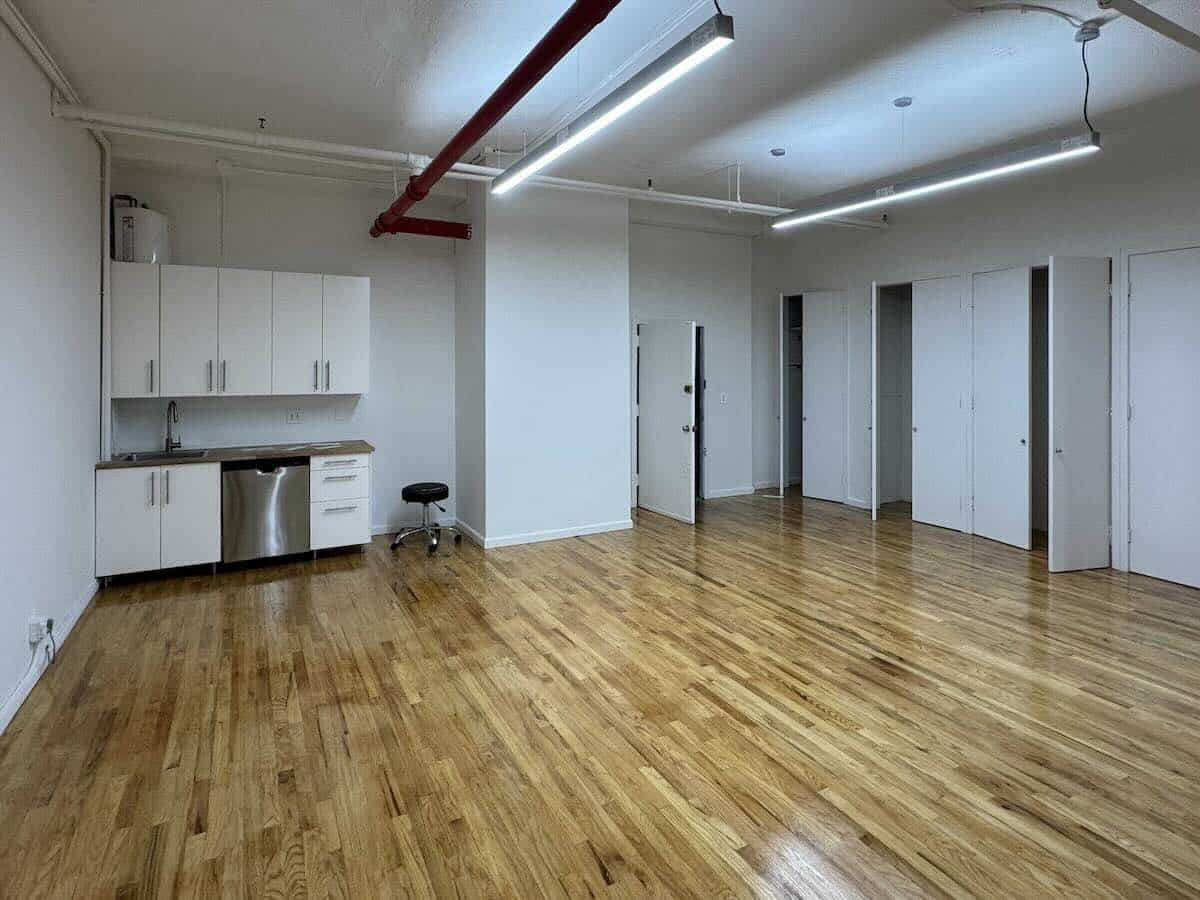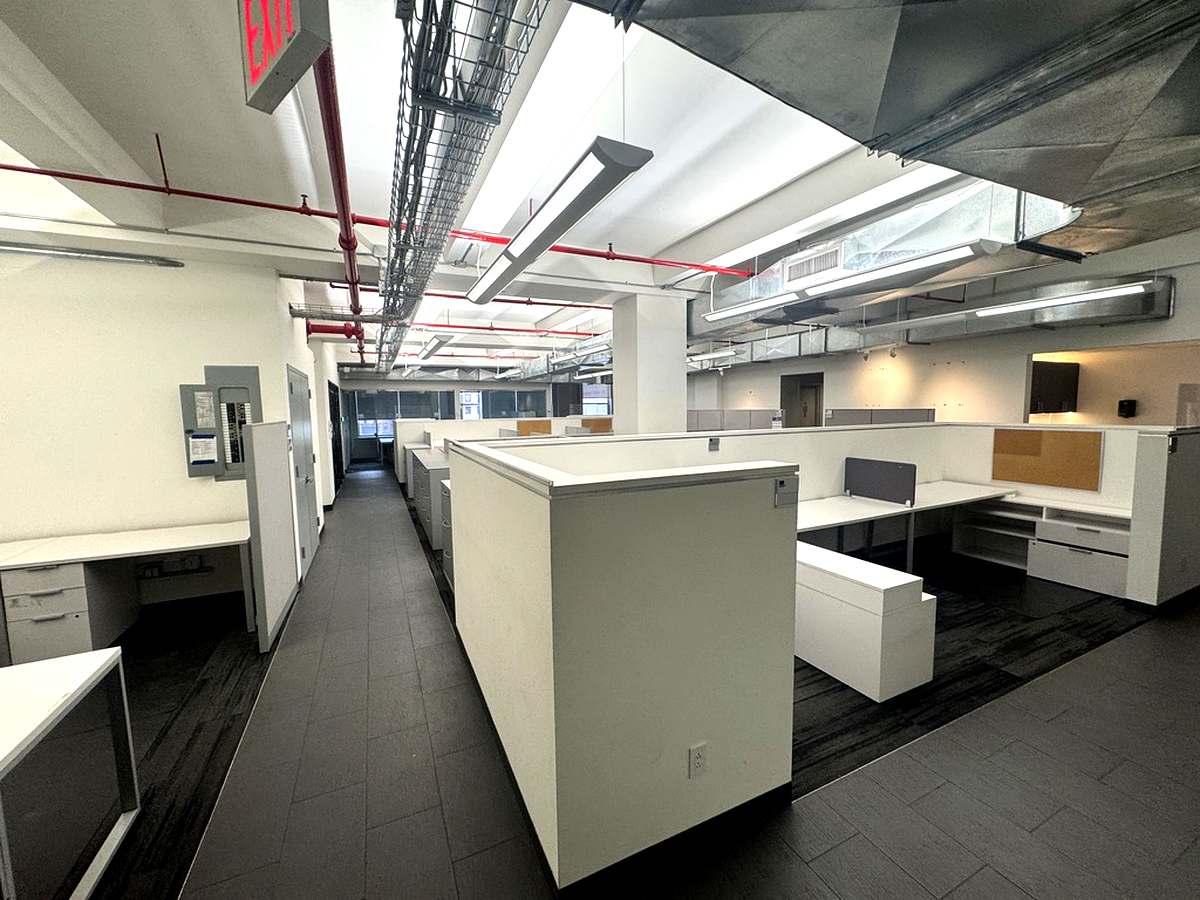

Every week, I walk tenants through Manhattan office buildings that may not be office buildings much longer. That’s the reality of working in this market right now with office conversion buzz heating up.
Mayor Mamdani came into office with a housing-first agenda, and he zeroed in on the obvious target: the glut of underperforming office towers dragging down the commercial market. Vacancy is hovering around 22–24%, double pre-COVID numbers, and the city desperately needs places for people to live.
Developers have gotten the message, too. Over 15.2 million square feet of office conversions are already underway, creating roughly 17,400 residential units. Conversion starts more than doubled in 2025 alone.
For my clients in the market for office space, the math keeps getting harder. Fewer buildings, fewer options, higher stakes on every lease decision. And the conversion pipeline is only growing.
Here’s what you should know and where I see it heading next.
Which Buildings Are Office Conversion Targets?

Not every office tower is at risk here. Developers aren’t eyeing the shiny new Hudson Yards high-rises. They’re circling the tired, half-vacant buildings that haven’t kept up. If you know what to look for, the conversion candidates practically identify themselves.
Older Class B/C Towers
Midcentury office buildings with outdated mechanical systems and deep, windowless floorplates sit at the top of every developer’s conversion list.
These pre-1990 towers were built for a different era, and their chunky layouts actually lend themselves well to apartment carve-outs. Cushman & Wakefield found that pre-2020 conversion projects pulled almost exclusively from Class B/C stock. Newer trophy towers, with their massive open floorplates and sealed glass curtain walls, are a nightmare to split into livable units.
Your landlord’s aging HVAC system might be a headache for you, but it’s a green light for a residential developer.
Low-Occupancy, Low-Upgrade Buildings
High vacancy tells a story, and developers read it loud and clear.
Manhattan’s lower-tier offices have bled occupancy every year through 2024, according to the NYC Comptroller, while five-star buildings held steady or gained tenants. The towers that can’t compete for leases become obvious conversion plays.
Look at the former Pfizer headquarters on East 42nd Street: once a corporate anchor, now gutted and coming back as roughly 1,600 rental apartments.
Buildings in Weaker Office Submarkets
Location matters just as much as the building itself.
Off-glamour pockets of Midtown and older Downtown submarkets lack the foot traffic and amenities that today’s tenants demand. Owners in those submarkets face a choice: keep chasing a shrinking pool of office tenants or pivot to residential and tap into a rental market that can’t build fast enough.
Most are choosing the pivot.
Which Neighborhoods Could Shift?

Once you know the building types, the next question is where. Office conversions don’t spread evenly across Manhattan. They cluster in neighborhoods where vacancy runs high, and housing demand runs higher. Three areas stand out right now.
Lower Manhattan
FiDi wrote the playbook on office conversions. Back in the 1990s and 2000s, the 421-g tax incentive turned dozens of aging financial district towers into apartments.
That pipeline never really stopped. Projects at 55 Broad Street, 77 Water Street, and 25 Water Street have already made the jump, and the Comptroller counts almost 9,300 converted apartments in Lower Manhattan alone. Plenty of half-empty mid-rise office blocks remain downtown, and developers know the formula works here.
Expect the list to keep growing.
Midtown Manhattan
Midtown is the newer frontier, and conversions are picking up fast.
The East Side around Grand Central has become a hotbed, with the former Pfizer towers on 42nd Street leading the way and roughly 4,150 units tracked in Midtown East projects. The West Side is following: 5 Times Square won approval for approximately 1,250 residential units, and 330 West 42nd Street is in play. New mixed-use zoning along 34th Street and near Penn Station opens even more doors.
Midtown’s older stock has a target on its back.
High-Demand Transitional Neighborhoods
NoMad, Flatiron, Hudson Square, and parts of Chelsea sit in a sweet spot for office conversions. They have pockets of underperforming office space surrounded by some of the strongest rental demand in the city. Landlords who can’t fill floors with tenants can fill them with residents instead.
Meanwhile, the newest corporate corridors like Hudson Yards carry very little obsolete inventory and will stay commercial. City of Yes rezoning technically covers everything south of 96th Street, but developers will zero in on the weakest office nodes first.
The Policy Machine Behind Office Conversions

None of this happens without City Hall greasing the wheels. Developers don’t convert office towers out of civic duty. They do it when the incentives, zoning, and approval process make residential pencil better than commercial. Right now, all three are lined up.
The 467-m Tax Abatement
The state’s 467-m law, enacted in April 2024, is the single biggest accelerator for office conversions. It offers up to 35 years of property tax abatement for office-to-rental projects that dedicate 25% of units to rent-stabilized housing. That kind of certainty is catnip for developers. They can model costs and returns over three decades with real confidence. NYC’s own analysis projects that 467-m could unlock 12.2 million square feet of conversions south of 59th Street, translating to roughly 14,500 new apartments by mid-2026. Without it, most of these deals would never pencil out.
Zoning That Opens the Floodgates
City of Yes and related rezonings stripped away the biggest regulatory barriers. The city removed floor-area limits for conversions and extended eligibility to buildings constructed through 1990. The Midtown South rezoning went further and explicitly greenlit thousands of new apartments in former office districts.
Put simply, most Manhattan office buildings can now legally become housing, provided they meet affordability requirements. The red tape that used to kill these projects has been cut dramatically.
A Faster Approval Process
Even good incentives and flexible zoning fall flat if permits take years. The city launched an Office Conversion Accelerator back in 2023 to fast-track zoning analysis and permitting. Mamdani’s administration added its own task forces, LIFT and SPEED, to identify city-owned land and strip out bureaucratic delays. The whole regulatory apparatus now leans toward getting these projects approved and built.
For developers watching office values slide, the message from City Hall is clear: convert, and we’ll help you do it quickly.
Mamdani’s Housing-First Mandate
The mayor himself is the biggest wildcard in all of this.
Mamdani campaigned on building 200,000 permanently affordable, union-built apartments over the next decade, backed by a proposed $100 billion in city capital. He signed three housing-focused executive orders on his literal first day in office, and his deputy mayor for housing, Leila Bozorg, is already developing new financing tools, including a revolving loan program to fund mixed-income projects.
Mamdani also inherited stronger land-use powers thanks to charter amendments voters approved in November 2025, which stripped individual council members of their ability to veto rezonings in their own districts. That removes one of the oldest bottlenecks in NYC housing development.
What Office Conversions Mean for You as a Tenant

All of this policy and pipeline talk might feel abstract until it hits your lease. But if you’re a commercial tenant in Manhattan, the conversion wave is already affecting your options and your side of the negotiating table.
Your Building Options Are Shrinking
Every office tower that goes residential takes square footage off the board permanently. Manhattan has already lost roughly 8.8 million square feet of office space to conversions since early 2021, and another 9.5 million square feet sits in the pipeline for 2026. That’s a massive chunk of inventory disappearing from a market that isn’t building new office space to replace it.
If you’re leasing in a Class B or C building, your pool of alternatives gets smaller every quarter.
Competition for Remaining Space Is Heating Up
Fewer buildings mean more tenants chasing the same floors. Sublease availability has dropped to about 3.33 million square feet, the lowest since 2020. Tenants getting displaced from converted buildings have to land somewhere, and they’re all looking at the same shrinking list. Expect landlords to feel less pressure to offer concessions, especially for well-located spaces.
The leverage tenants enjoyed during peak COVID vacancy is fading fast.
The Flight to Quality Is Real
Here’s the split I’m seeing with my own clients: tenants are gravitating hard toward top-tier, amenity-rich buildings and leaving older stock behind.
Landlords in Class A towers know they hold the cards and are still offering competitive deals to fill remaining space. Smart tenants can upgrade right now without paying a huge premium. But if you’re sitting in a marginal Class B building hoping to ride it out, you could face relocation pressure sooner than you think. The middle of the market is hollowing out.
The Long Game Favors NYC
More housing should ultimately strengthen the city’s economy. Affordable apartments attract and retain workers, which draws companies, which creates office demand down the road. That cycle is good for everyone in commercial real estate.
However, the short-term reality is a tighter supply and harder decisions. The tenants who plan ahead and lock in space before the conversion pipeline accelerates will come out in the strongest position.
Strategic Takeaway for Tenants
So what do you do with all of this? The office conversion wave isn’t slowing down, and Mamdani’s administration is only going to push harder. If you’re a commercial tenant in Manhattan, sitting still is the riskiest move you can make. Here’s how I’d approach it.
- Audit Your Building’s Conversion Risk: Find out if your building fits the profile: older Class B/C stock, high vacancy, weak submarket, ownership that might prefer residential returns. If it checks those boxes, start planning your next move now rather than waiting for a conversion announcement to force your hand.
- Get Ahead of the Lease Cycle: Tenants who wait until 12 months before expiration to start looking are going to find a much thinner market than they expected. Begin exploring options 18 to 24 months out, especially if you occupy space in a building that could land on a developer’s conversion shortlist.
- Consider the Flight to Quality: Class A landlords are still competing for tenants and offering real concessions to fill space. You may be able to upgrade your office without a dramatic rent increase. That window won’t stay open forever as displaced tenants flood into the top-tier market.
- Negotiate Protective Lease Language: If you’re renewing or signing a new lease, make sure your attorney builds in protections around building sale, change of use, and early termination scenarios. Office conversions can move fast once ownership commits, and tenants without strong lease provisions get caught flat-footed.
- Work With a Broker Who Tracks the Conversion Pipeline: The Manhattan office market is evolving quarter by quarter as buildings exit the commercial inventory. You need someone who monitors which properties are entering the conversion pipeline, where displaced tenants are landing, and which submarkets still offer real leverage. That intelligence makes the difference between a good deal and a desperate one.
Where This Leaves You
Manhattan’s office market is splitting into two directions.
On one side, office conversions are pulling aging buildings out of the commercial inventory and turning them into much-needed housing. On the other, the remaining office stock is getting tighter and more competitive for tenants who need it.
Both trends can be true at once, and both deserve your attention. The housing pipeline will strengthen NYC’s workforce and economy over time. A city with more affordable apartments attracts talent, supports local businesses, and fuels the industries that fill office buildings.
That’s a win for everyone.
But the near-term reality for commercial tenants is a leaner market with fewer choices. The buildings and neighborhoods most exposed to conversion risk are worth identifying now, whether you’re renewing a lease or scouting new space.
Learning and getting to the bottom of the full picture now puts you in a stronger position, no matter which direction the market moves.