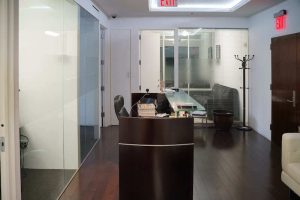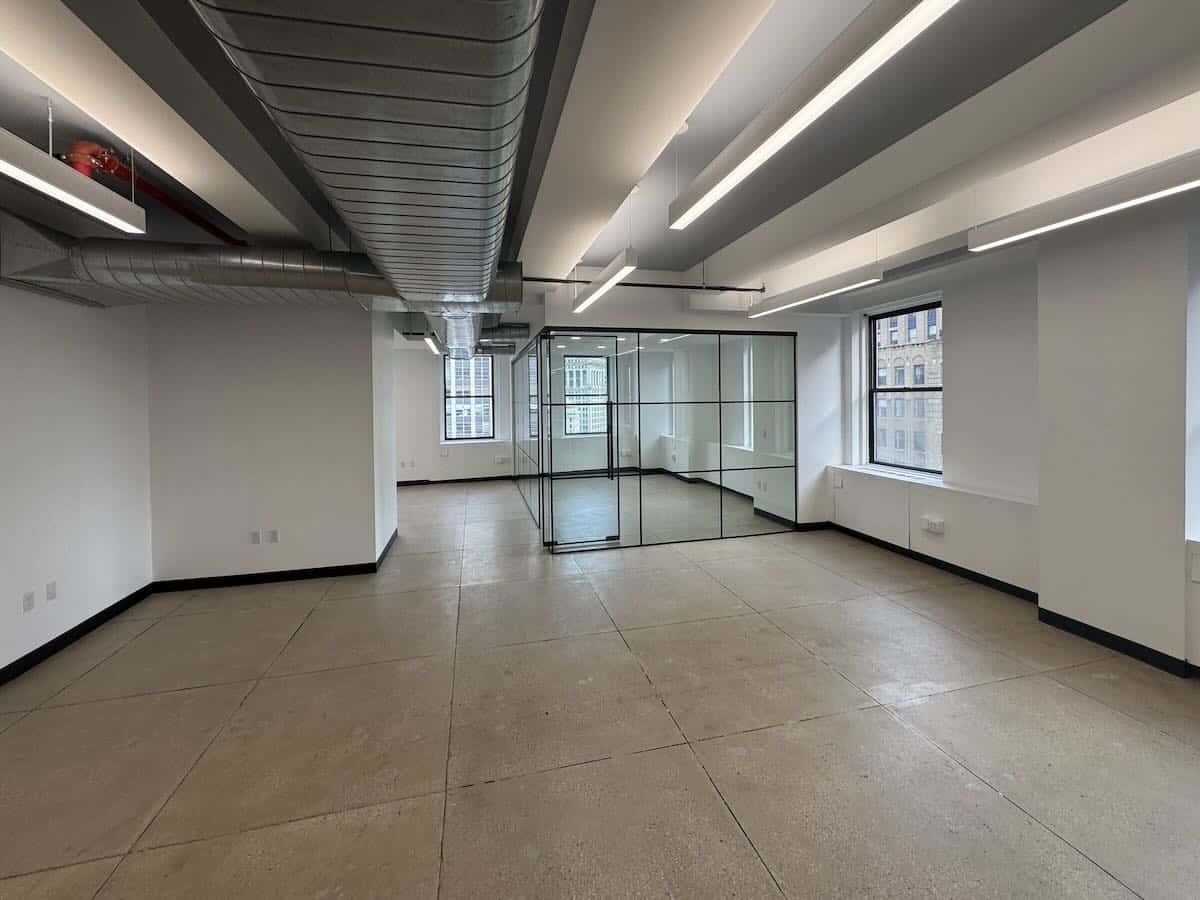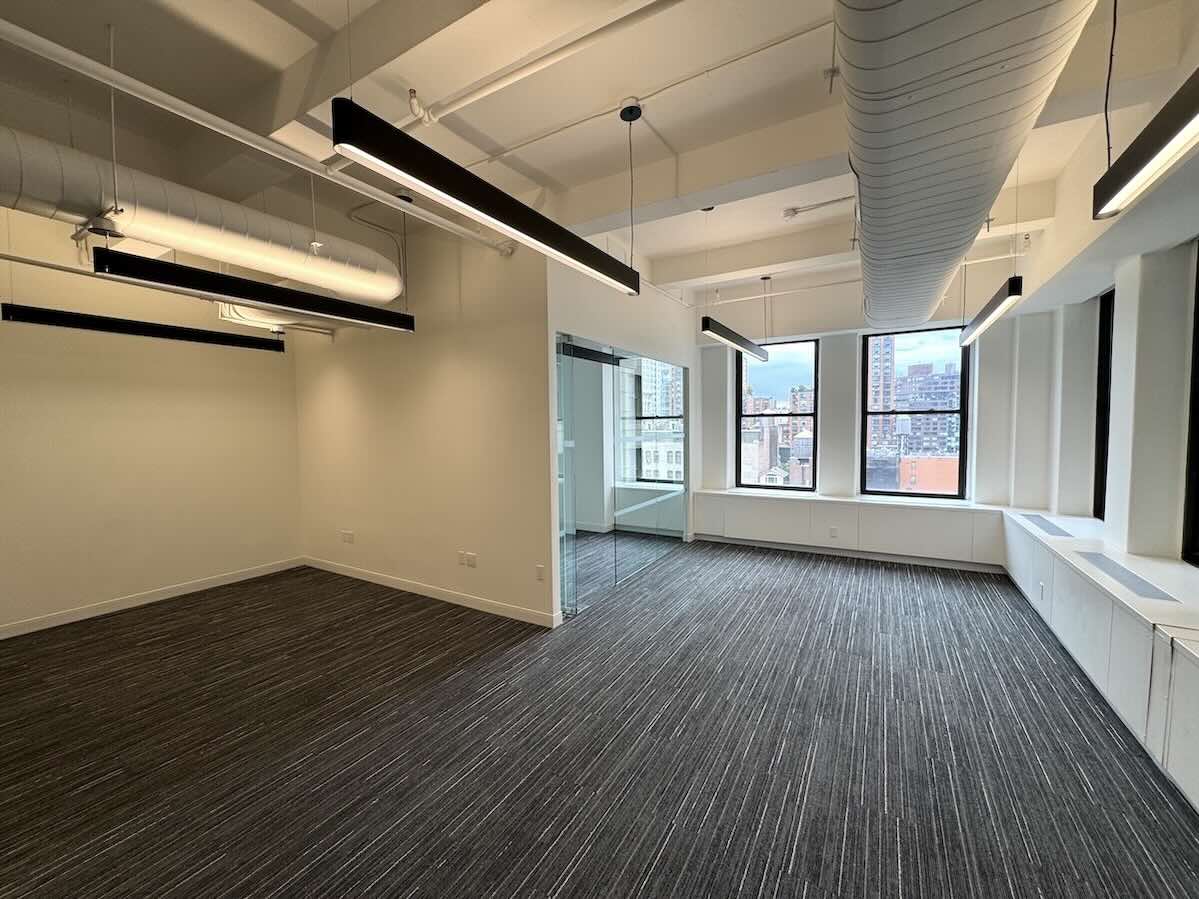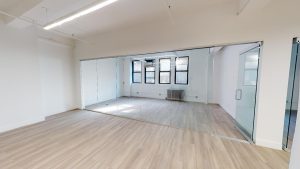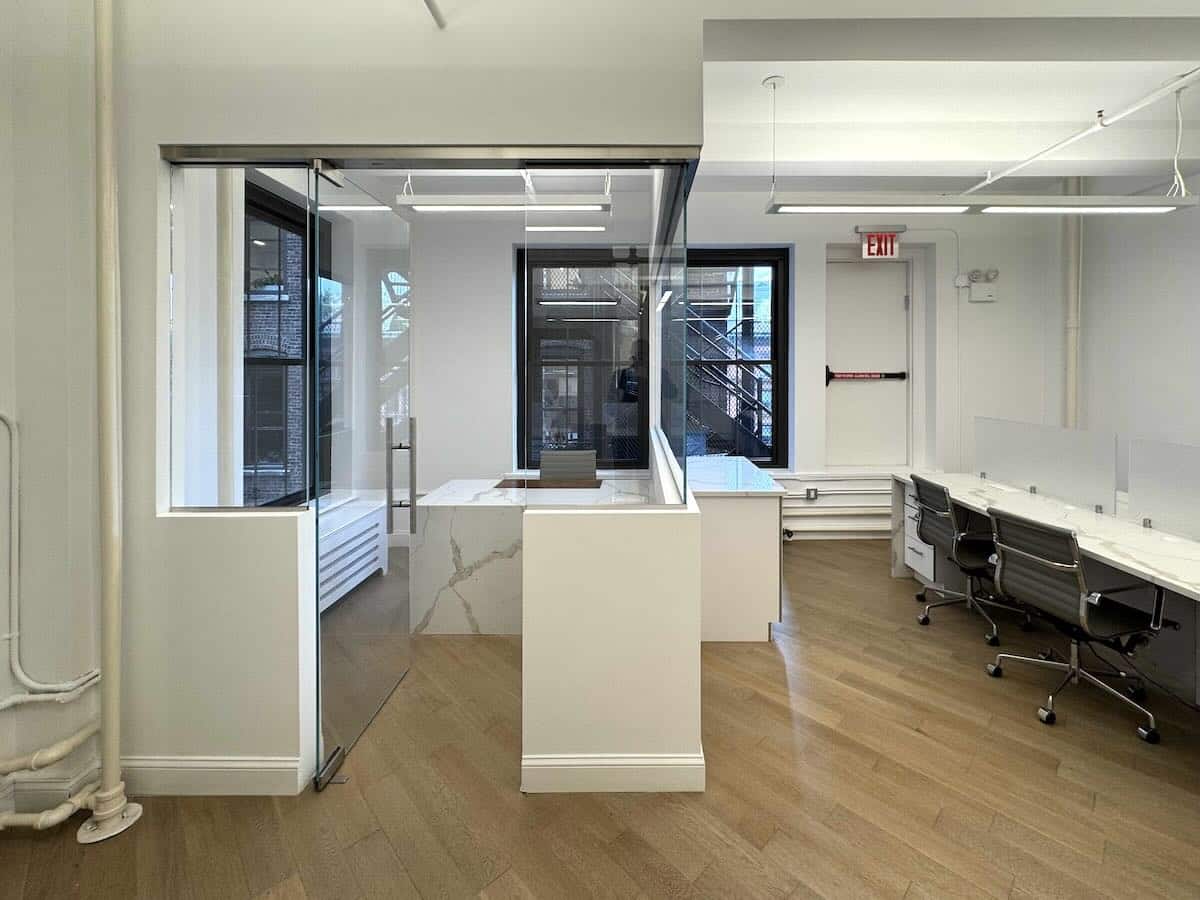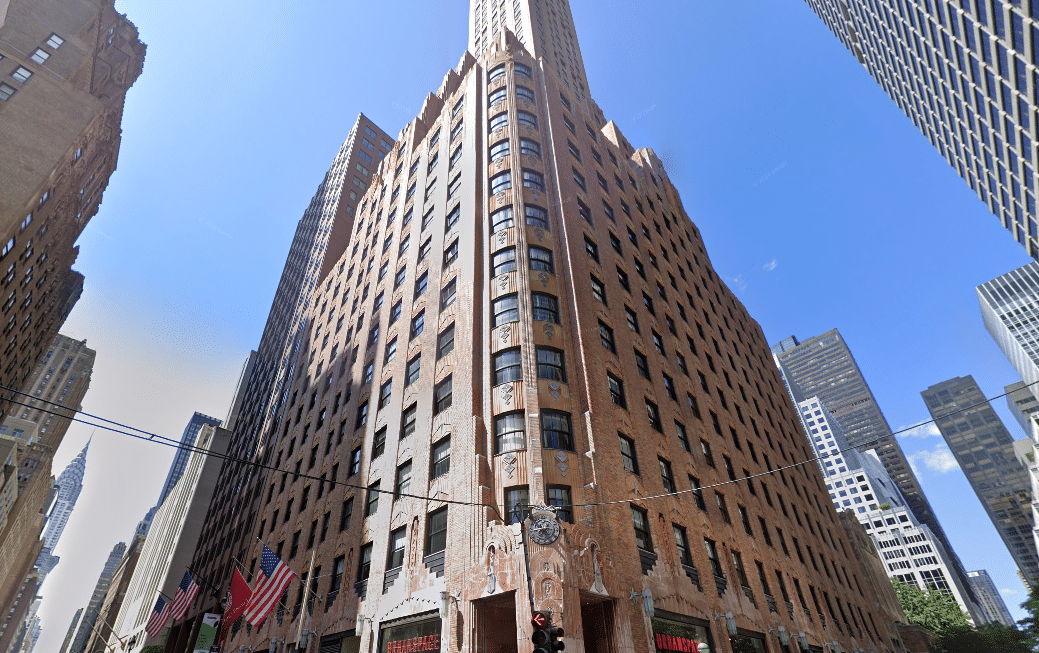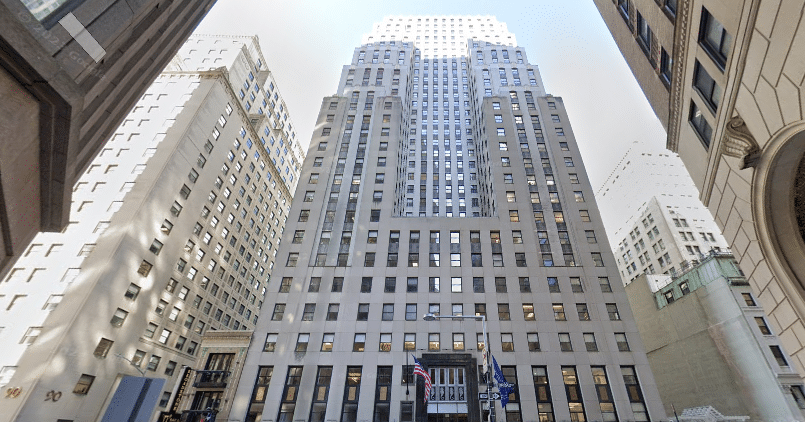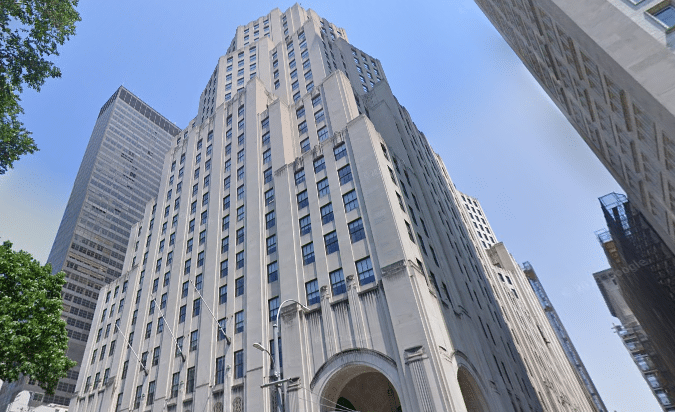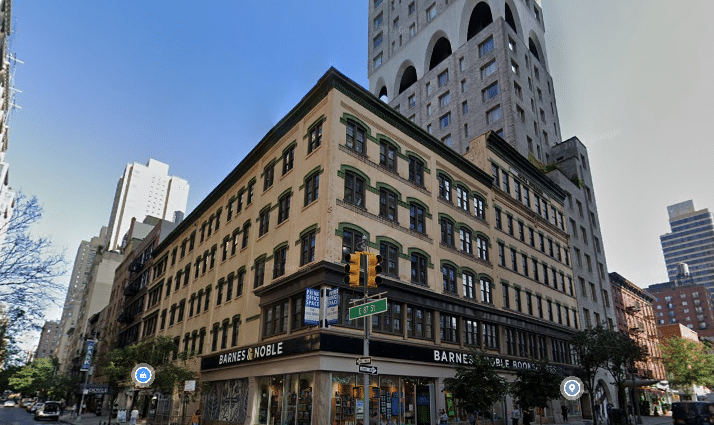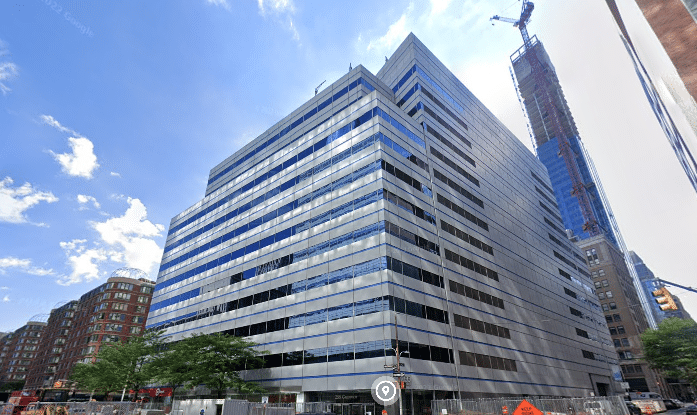
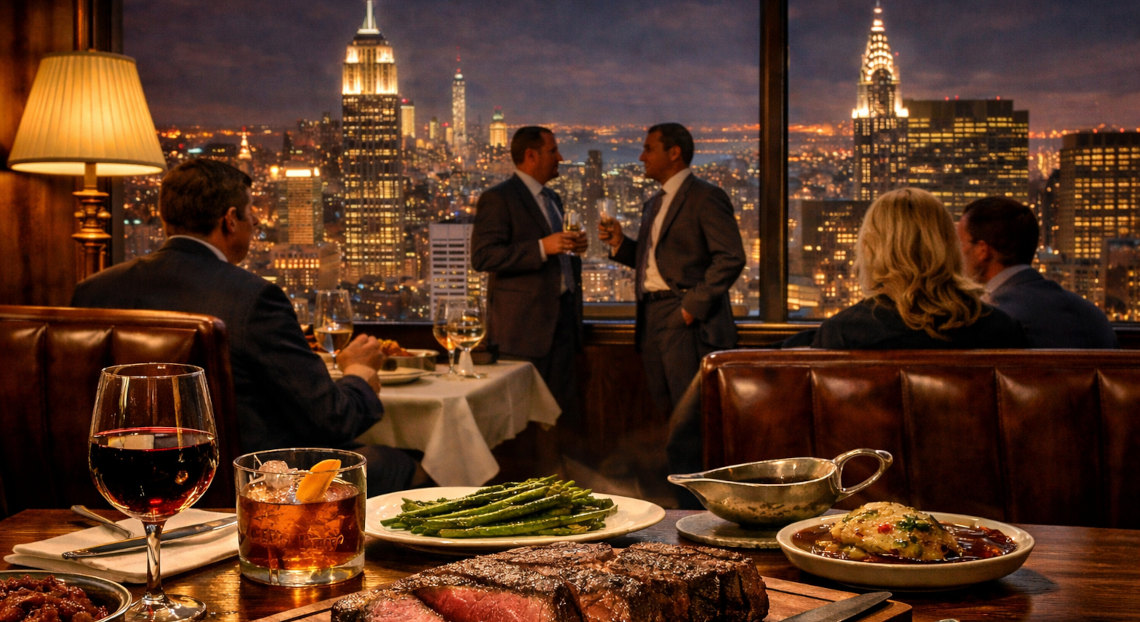
Delmonico’s just signed an 11,735 square foot lease at 1330 Avenue of the Americas.
Let that sit for a second.
An NYC steakhouse that’s been feeding deal-makers since Andrew Jackson was president looked at the Manhattan office market in 2026 and decided Midtown is where it needs to be.
After nearly 200 years downtown.
I’ve brokered office deals in Manhattan for over 20 years. I’ve watched landlords spend the last decade throwing everything at the wall. Rooftop terraces. Meditation pods. Golf simulators. Cold brew on tap. Empire State Realty Trust even put a basketball court in the basement of the Empire State Building. Yet even if you build a half-court, you cannot build a Keens, and you cannot manufacture 150 years of servers who remember your client’s drink order and know which table closes deals.
Delmonico’s knows that. Every old NYC steakhouse knows that. The neighborhood is the amenity, and in Manhattan, nothing says “serious business address” quite like being able to walk a client to the right steakhouse in under five minutes.
What the Amenity Race Couldn’t Build
I said the neighborhood is the amenity. Before you think that’s just a broker being nostalgic about steakhouses, let me walk you through what landlords have been doing for the last decade and why, after all that spending, the most valuable asset near some of these buildings still has a maître d’ and a 30-day dry-aged ribeye.
The Spending Was Real, and It Worked
Nobody blames a landlord for chasing amenities. The market rewarded them. Savills reported 42.9 million square feet leased across Manhattan in 2025, the highest total since 2014. Class A properties captured nearly 70% of fourth-quarter activity while making up 58.3% of inventory. Tenants paid up for quality, and buildings that modernized filled floors. The arms race made sense. Until it didn’t have anywhere left to go.
The Trophy Buildings Went All In
The Empire State Building now offers 65,000 square feet of tenant amenities. Multi-sport court, town-hall space for 400, golf simulators, conference center, private dining.
One Vanderbilt matched it from a different angle: a 30,000-square-foot amenity floor, exclusive boardroom terrace, and Daniel Boulud running food service in-house. SL Green built what amounts to a private club inside a Class A tower.
I’ve toured both buildings with clients. Both are impressive. Yet both hit the same ceiling, which is exactly that: a ceiling. Four walls can only do so much.
So Leaving the Building Became the Point
JPMorgan built swanky in-house food halls and pubs at its new headquarters to keep employees and clients from ever stepping outside. Smart move.
But here’s what that trend accidentally proved: when every serious landlord offers high-end food and drink inside the building, walking out becomes the signal. Taking your client two blocks to an NYC steakhouse with a century-old reputation says something a lobby café never will. You chose to be there. You chose a neighborhood that has something no capital improvement budget can replicate.
A terrace is nice. A room where your client already wants to say yes is better.
The Numbers Say Location Matters Again
Every major Manhattan submarket tightened in 2025.
Midtown ended the year with 29.97 million square feet available, the lowest since July 2020, and asking rents climbed to $82.92 per square foot. Midtown South availability fell to 13.7%, a mark not seen since January 2021. Downtown posted its strongest leasing year since 2019, with 4.75 million square feet leased. Office attendance still ran 21% below pre-pandemic levels according to the NYC Comptroller’s Office, and rents climbed anyway.
That tells you something important: you don’t need 2019 behavior for location advantages to kick back in. You need enough people on the right days.
Even more telling is that those people are coming from outside the city, too. New York City Tourism reported 12.6 million business travelers in 2025, with 12.8 million projected for 2026. Buyers, lenders, lawyers, consultants. People who fly in for two days and still need somewhere to have dinner that doesn’t work over Zoom.
Soft Infrastructure
Nobody writes “proximity to a great steakhouse” on a Request for Proposal (RFP), the formal wish list that tenants will hand brokers before a search begins. Nor will any tenant rep put it on a spreadsheet. But every experienced broker knows the moment a client walks one block from their office to a dining room with white tablecloths and a reputation that precedes the reservation. The deal changes temperature.
The real estate industry has a term for things that matter but never show up in the data: soft infrastructure. Manhattan’s best steakhouses are some of the most valuable soft infrastructure in the city. Nobody tracks it, prices it, or mentions it in pitch meetings.
Which is exactly why we’re going to.
Where the NYC Steakhouses Are, the Deals Are

So if proximity matters, the obvious question is: proximity to what, and where? Walk the steakhouse map of Manhattan, and you’re not looking at a restaurant guide. You’re looking at a business culture map. Every major NYC steakhouse sits where it sits for a reason, and that reason almost always traces back to who works nearby and how they close.
Smith & Wollensky: The Midtown East Handshake
Smith & Wollensky sits at 797 Third Avenue and 49th Street, and it earns its reputation the old-fashioned way: weekday lunches, private rooms, and seated events for up to 130. The location is pure corporate Midtown East. Law firms, advisory shops, institutional capital, the kind of tenants who still wear ties to client meetings and mean it. Nothing about the place tries to be edgy or downtown or ironic. It reads exactly the way a board-level dinner should read, which is why the people booking those dinners keep coming back. Legibility matters when your client flew in from Chicago to sign something.
Keens: Heritage Without the Glass
Keens at 72 West 36th Street opened in 1885 in the old Herald Square theater district. The James Beard Foundation has written about its history of drawing everyone from Wall Streeters to fashion editors. The 34th Street Partnership estimates 100 million people pass through the corners of 34th and Broadway every year, and Keens has quietly fed the serious ones since before anyone called the neighborhood Midtown South. The place has grit, warmth, and 140 years of smoke in the ceiling. If Smith & Wollensky is Midtown East in a tie, Keens is Midtown South with its jacket off. Firms that want texture over polish tend to end up nearby. And they tend to stay.
Wolfgang’s: Follow the Addresses
Wolfgang’s locations tell you everything before you read the menu. 4 Park Avenue near Grand Central. 1359 Broadway between 36th and 37th. 250 West 41st in Times Square. 409 Greenwich in Tribeca. The Grand Central Partnership covers roughly 70 blocks of the polished corporate spine from 35th to 54th, Second to Fifth. Broadway at 36th sits right in that Herald Square overlap of office energy, retail gravity, and transit volume. Times Square is easy to write off as tourist territory, but the district’s own BID will tell you it has a serious commercial real estate base behind the billboards. And Tribeca adds the downtown creative-capital angle. Different neighborhood, same instinct: put the dining room where the business already lives.
Delmonico’s: Wall Street DNA, Midtown Ambition
Delmonico’s opened at Beaver, William, and South William in 1837, right as New York was becoming the country’s financial capital. Private dining rooms for discreet entertaining were part of the blueprint from day one. Downtown, the restaurant sits four minutes on foot from the NYSE, serves roughly 150 lunches and 300 dinners daily, and hosts around 25 corporate events a week. That’s a business hospitality operation dressed up as an NYC steakhouse. Now, management looked north and decided Midtown’s corporate corridor deserves the same thing. Nearly 200 years of reading the room, and Delmonico’s still knows where to sit.
What the Smart Money Already Knew
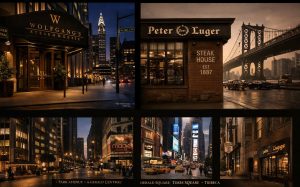
Every NYC steakhouse we just walked through chose its location with the precision of a tenant rep. But one guy mapped it better than almost anyone in commercial real estate, and another place broke every rule and still won. Both stories tell you something worth hearing.
Wolfgang Zwiener Read Manhattan Better Than Most Landlords
Wolfgang Zwiener spent more than four decades in the business, including years as Peter Luger’s head waiter, before launching his own restaurant on Park Avenue in 2004.
What he did next is the part that should interest anyone who thinks about office geography for a living.
He didn’t scatter locations across high-tourism strips or wealthy residential pockets. He planted them at Park Avenue and Grand Central, Herald Square, Times Square, and Tribeca. Every single one sits where office density, client traffic, and expense-account dining already overlap. Brokers and landlords spend careers talking about transit access, floorplates, and light. Wolfgang was mapping the same city we map, except he was tracking decision-makers, post-meeting walkability, and who’s picking up the check.
Peter Luger Is the Exception That Proves the Rule
The rule is simple: great steakhouses cluster near office money. Peter Luger broke it and thrived anyway.
The restaurant opened in 1887 in German Williamsburg, and after the Williamsburg Bridge went up in 1903, Manhattan businesspeople started crossing the river to eat there. Sol Forman’s manufacturing headquarters sat across the street, and he used Luger’s to entertain prospective clients. Even the exception was never disconnected from commerce. It just pulled business across the bridge instead of waiting for the district to come to it.
On a personal end, I’ve been going to Peter Luger since 1975, back when my family’s manufacturing business in Greenpoint made that part of Brooklyn feel less like a destination and more like the tail end of a workday. Once a place reaches Luger status, the city bends around it. Most restaurants never get there. Most buildings should not assume they will.
The Questions I Ask Before You Sign

Four steakhouses, four neighborhoods, four different ways to close. None of that matters if nobody raises it during the search. Most brokers won’t. They’ll compare floor plates, asking rents, ceiling heights, and HVAC specs.
All important. I look at those, too.
But after 20 years of walking clients through New York City, I can tell you that when two buildings score close on rent, infrastructure, and commute, the tiebreaker lives outside the building. It’s around the corner, it has a reservation book, and it’s been there longer than either lease term.
These are five questions I work through with every client before we get near a signature:
Where Does Your Client Eat When the Flight Lands at 11:30?
I’ve had tenants at buildings where an out-of-town investor can walk off a cab from JFK and sit down at a white-tablecloth lunch in eight minutes. I’ve had tenants three avenues over, where the best option at noon is a fast-casual counter with a 20-minute line. Both buildings looked comparable on paper.
Where Do You Take the Room After a Close?
A signed lease, a closed fund, a promotion that took three years to earn. Nobody marks those at the office coffee bar. Senior people want a real dining room with a real wine list and a staff that treats them like regulars. Your proximity to that room says something about how seriously you chose your address.
Where Do Your Senior People Actually Want to Go?
OpenTable will show you 40 restaurants with availability at 7:15 on a Tuesday. Your managing partner wants one of three, and those three have been the same for a decade. I know which ones they are in every submarket I work, and I factor that into the search before we tour a single lobby.
Does the Block Carry Weight on Its Own?
Experienced clients read a neighborhood before they read your pitch deck. An NYC steakhouse with 100 years of deal-making history on the same block as your office tells a story about your firm’s taste and judgment. No lobby renovation communicates that. The surrounding context does the work for you.
Are You Evaluating the Neighborhood or Just the Building?
The building is where your team works. The neighborhood is where your client relationships develop. Every serious tenant I’ve represented over the past two decades understood that distinction, even if they never said it out loud. The best office addresses in Manhattan have always drawn part of their value from what surrounds them. A great steakhouse two blocks away is the oldest and most honest proof of that.
What Tenants and Landlords Should Actually Take From This
Delmonico’s didn’t sign an 11,735-square-foot lease in Midtown because the neighborhood needed another restaurant. It signed because the people who work there need a place to do what they’ve always done: sit across from someone important and close. Every NYC steakhouse on that map exists for the same reason. The dining room follows the deal flow, and it always has.
Landlords can spend another hundred million on amenities. Some of it will matter. But the smartest thing about certain Manhattan addresses is something no capital budget can touch. Tenants feel it the first time they walk a client two blocks to a restaurant that’s older than the building they just leased.
The ones who get it never mention it. They just pick the right block and let the neighborhood do the rest.