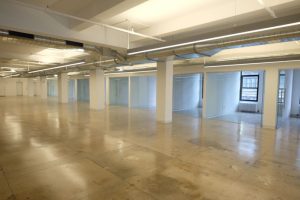
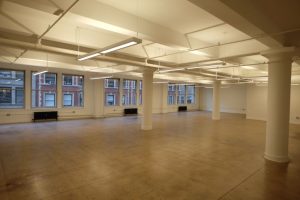
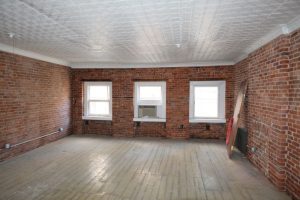
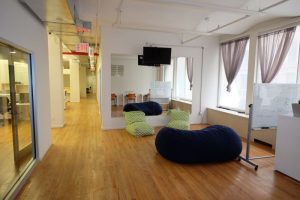
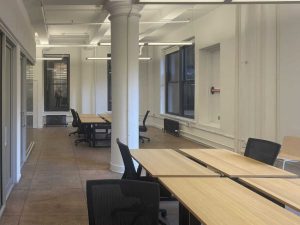
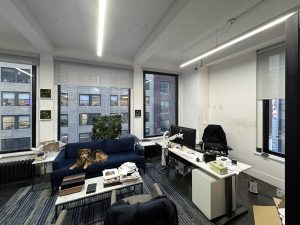
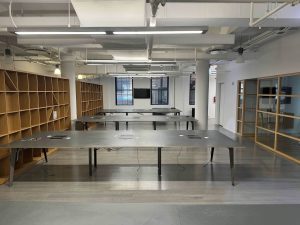
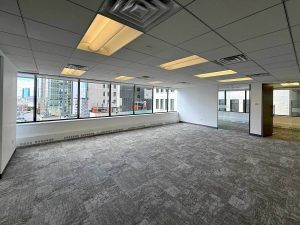
Startup & Tech Office Space in New York City
Find the right property, avoid hidden costs, and negotiate favorable terms.
Find the right property, avoid hidden costs, and negotiate favorable terms.

Tech runs this market now. The biggest leases in the city are getting signed by AI labs and software companies, and they’re not after gray cubicle farms. They want cast-iron lofts in SoHo, whole warehouses in Hudson Square, towers over Madison Square Park.
The good news: there’s still real value a few blocks from all of it. What you’ll pay has almost nothing to do with some citywide average. It’s three things, your neighborhood, your building class, and how hard you negotiate, and this page covers all three. For the big-picture version across every industry, see our guide to office space in New York City.
One more thing up front. A tenant broker is free to you, the landlord pays. And the best space never hits the listing sites, which is exactly why this page exists. Your broker has no building of their own to push, so the three or four spaces you tour are the ones actually worth your time.
Empty offices were the story here for five years. Not anymore. AI ended it. AI firms grabbed about 415,000 square feet of Manhattan office space in Q1 2026 alone, half of what they took in all of last year (JLL, Q1 2026).
And they’re signing for more room than they need, betting on hires they haven’t made yet. The average AI lease is now 34,500 square feet (JLL, Q1 2026). Great for landlords today. Worth remembering later, because some of that space comes back as cheap subleases if the hiring stalls. Three things you should know:
Sources: JLL, Newmark, Colliers, Savills, and CBRE Q1 2026 reports (released April 2026) plus reporting through June 2026. Refresh quarterly; this is the one dated section on the page.
It’s mostly one place: Midtown South. Old factories and printing houses from the 40s down to Canal, gutted and rebuilt into the most wanted offices in the city. Pick your neighborhood first. It sets your rent, your neighbors, and your commute before you see a single floor.
| Submarket | Why Tech Goes There | Typical Asking Rent | Who’s There |
|---|---|---|---|
| Flatiron & Park Avenue South | Ground zero for the AI cluster. Loft floors that fit engineering teams, surrounded by everyone else doing the same thing. | $90 to $120/SF on Park Ave South (Newmark and internal, Q1 2026) | Harvey AI (One Madison Ave), Clay (11 Madison Ave), Ramp (28-40 West 23rd St) |
| Hudson Square | Big-tech campus country. Old warehouses with scale, character, and Hudson River light. | Premium loft, often $80 to $120+/SF | Google (St. John’s Terminal), Disney (7 Hudson Square), big AI tenants taking whole buildings |
| SoHo & NoHo | Cast-iron lofts and real design cred. The draw for AI, creative tech, and consumer brands. | Premium, usually above the district average | OpenAI (the Puck Building), Meta (770 Broadway) |
| Chelsea | Tech meets the art world along the High Line, with Google as the anchor and strong amenity lofts. | $60 to $100/SF | Google (Chelsea Market and 111 Eighth Ave), media and tech teams |
| Union Square & Greenwich Village | Transit hub, old-guard startup base, mid-size loft floors at sane prices. | Around the district average | Early and growth-stage software teams |
| Garment District & Herald Square | The value play. Raw and prebuilt loft space at the lowest tech rents in the city. | $35 to $60/SF | Budget-conscious startups and small teams |
| Financial District | Downtown value, big blocks, a fast-growing tech base, and a PATH ride straight to New Jersey. | $50 to $70/SF | Adaptive Security (120 Broadway), scaling and back-office teams |
Submarket ranges blend Newmark Q1 2026 figures with Metro Manhattan internal research (June 2026). The Midtown South average was $88.32/SF in Q1 2026 (Newmark, 1Q26). Company and building examples are publicly reported and illustrative, not exhaustive.
What the table can’t show you: these blocks cluster by industry, hard. AI and fintech crowd into Flatiron and Park Avenue South. Fashion owns SoHo and Meatpacking. Media lives in Hudson Square and Chelsea. Where you sit says something, so sit somewhere on purpose.
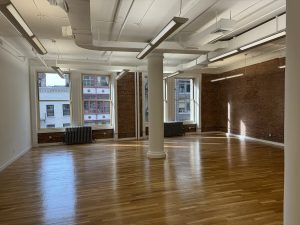
A few loft buildings show up in almost every tech search. Starrett-Lehigh is a giant old freight terminal on the High Line, all ribbon windows. Chelsea Market is the old Nabisco bakery, food hall down low, offices up top. The American Woolen Building on Park Avenue South and 345 Hudson Street give you prewar floors that fit 40 engineers with no columns in the way. Our best loft neighborhoods guide has the rest.
Your stage and what you do matter as much as your budget. Find your row.
| You Are | What You Care About Most | Where to Look |
|---|---|---|
| An early-stage startup (under ~20) | Staying flexible, moving in fast, and not signing anything you regret in six months. | Coworking, subleases, and prebuilt suites in the Garment District, Flatiron side streets, and Union Square |
| Growth-stage tech or AI (20 to 150) | Loft floors, a dense peer scene, and room to grab the next floor when you double. | Flatiron, Park Avenue South, Hudson Square, and Chelsea |
| A large tech HQ or funded AI | Big contiguous blocks, full-building control, and amenities that help you recruit. | Hudson Square, Hudson Yards, and new Class A and trophy towers |
| Fintech | Loft character with a finance-adjacent address, one foot in tech and one in financial services. | Flatiron, Park Avenue South, and the Financial District |
| Creative or consumer tech | Design-forward space, real daylight, and an address that sells the brand. | SoHo, NoHo, Meatpacking, and Chelsea |
| Health or life-science tech | Power, floor loading, and lab-adjacent bones, sometimes spilling into life-science space. | Hudson Square and the wider Midtown South |
Still figuring out where to land? Our picks for the best startup neighborhoods and top small-business neighborhoods are a solid start.
Sort out the class letters before you compare anything. They drive price, prestige, and how a place actually feels to work in. For tech it’s really loft versus tower, with cheaper Class B and C lofts in the mix for early teams.
| Class | What It Means | Where It Sits on Price | Typical Buildings |
|---|---|---|---|
| Trophy | Newest towers, hotel-grade service, the addresses funded companies use to recruit. | Top of the market, well above Class A | One Vanderbilt, Hudson Yards, One and 11 Madison Avenue |
| Class A | Modern or gut-renovated towers, staffed lobbies, real amenities, systems that work. | Premium, just below trophy | Midtown towers, Hudson Square campuses, prime Midtown South lofts |
| Class B | Solid prewar loft stock, a lot of it now with move-in-ready prebuilt suites. | Mid-market, climbing fast in the loft districts | Flatiron, Chelsea, and Garment District lofts |
| Class C | Older, no-frills, often raw loft or manufacturing floors. The deepest value in the city. | The value tier | Garment District, Herald Square, older side streets |
Now the catch, and it matters more in tech than anywhere. Those A/B/C grades mostly track a building’s age and pedigree, and in the loft districts they break down completely. A 1910 Class B loft in SoHo will out-rent a shiny Class A tower uptown, every time, because you’re paying for ceiling height, light, and the block, not a letter. Class B loft rents actually hit record highs in late 2025 (Lee & Associates, Q4 2025). Use the class as a filter, not a verdict. Our explainer on Class A, B, and C buildings digs in, and if you want a tower, the best Class A buildings in Midtown are here.
Quick gut check on price. The ranges below are by class, citywide, and meant to get you in the right ballpark, not price a specific floor. Most tech lands in loft and Class A space in Midtown South, averaging $88.32 a foot in early 2026 (Newmark, Q1 2026). The deals are in the Garment District and Downtown.
| Building Class | Typical Asking Rent ($/SF/year) | What’s Usually Open | Best For |
|---|---|---|---|
| Trophy / new Class A | $120 to $320+ | Full floors and big blocks, 20,000 SF and up | Funded AI and large tech HQs |
| Premium loft (Hudson Square, SoHo, Flatiron) | $80 to $120+ | Full and partial loft floors, 5,000 to 50,000 SF | Growth-stage tech, AI, and creative teams |
| Class A tower | $70 to $120 | Full and partial floors, 5,000 to 50,000 SF | Established companies wanting a modern address |
| Class B loft | $55 to $90 | Partial floors and prebuilt suites, 2,000 to 20,000 SF | Scaling startups and mid-size teams |
| Class C / value | $35 to $65 | Small suites and value floors, 500 to 10,000 SF | Early-stage startups, small teams, back office |
Asking rents as of April 1, 2026. Updated quarterly; next update July 1, 2026.
Want live numbers by market? Midtown South, Downtown, Midtown, plus the neighborhood pages above.
Priciest space in the city: premium loft and trophy floors on Park Avenue South and in Hudson Square, $90 to $120 a foot, and the best ones go fully leased. Cheapest: the Garment District, Herald Square, and the Financial District, $35 to $70.
Ranges are directional and span the borough; rents vary by neighborhood, floor, and term. From Newmark, Colliers, CBRE, and Savills Q1 2026 reports plus internal research (June 2026). Anchors: Midtown South $88.32/SF, direct $90.23/SF (Newmark, 1Q26); Manhattan $77.55/SF (Colliers, 1Q26); a $320/SF record at One Vanderbilt (JLL, 1Q26).
A tech office has to do things a law firm never asks of a building. Power a room full of hungry workstations. Stay online, always. Let you move walls every time the team reshuffles. Nail that down before you fall for the view.
| What to Check | Why It Matters | The Move |
|---|---|---|
| Power and cooling | Dense workstations and any real hardware pull way more juice than a normal office. | This is the silent dealbreaker in old loft stock. Check the building’s electrical capacity, and whether you can add circuits and cooling, before you sign. A gorgeous 1920s floor that can’t power your team is just an expensive mistake. See office electricity costs. |
| Connectivity | For most of you, uptime is the business. | Fiber from more than one carrier in the building, a secure spot for a server, and a straight answer on backup power. |
| Floors you can change | Teams reshuffle constantly. Headcount moves fast. | Go for column-free loft floors and walls you can move, so a reorg isn’t a renovation. A rectangular plate is the most forgiving. |
| Focus and collaboration | The work swings from heads-down coding to six people at a whiteboard. | Mix open desks, huddle rooms, phone booths, and a couple quiet rooms. Budget for sound masking, it matters more than you’d think. |
| A reason to come in | Three days a week only works if the building earns it. | Gym, food, outdoor space, bike storage. In the loft districts that’s table stakes now, not a perk. |
| Room to grow | Outgrowing your space mid-lease is the priciest startup mistake there is. | Negotiate expansion rights or first dibs on the next-door floor, or take a shorter term, so growth doesn’t force a move you didn’t plan. |
Figure out what you’re shopping for first. There are five products here, and most founders only know two. Pick right early and you save a year of rent and one ugly move.
| Type | Best For | Commitment | The Catch |
|---|---|---|---|
| Coworking / flex | Founders, very early teams, satellite offices under ~20. | Month to 2 years | Fastest and most flexible, but you pay per desk and control nothing. |
| Sublease | Cost-sensitive teams and shorter horizons. | 1 to 5 years | Often well under market and already built out, but the last tenant set the rules and the clock. |
| Loft | Growth-stage tech, AI, and creative teams that want character and light. | 5 to 10 years | Ceiling height and big windows, mostly in Midtown South. |
| Prebuilt / spec suite | Teams that need to move in fast, no construction. | 3 to 7 years | Move-in ready, less room to customize. |
| Direct lease | Established companies that want control and a custom build-out. | 5 to 15 years | Best concessions and most leverage, longest leash. |
Commitment ranges are typical-market and vary by deal (Metro Manhattan internal research, June 2026).
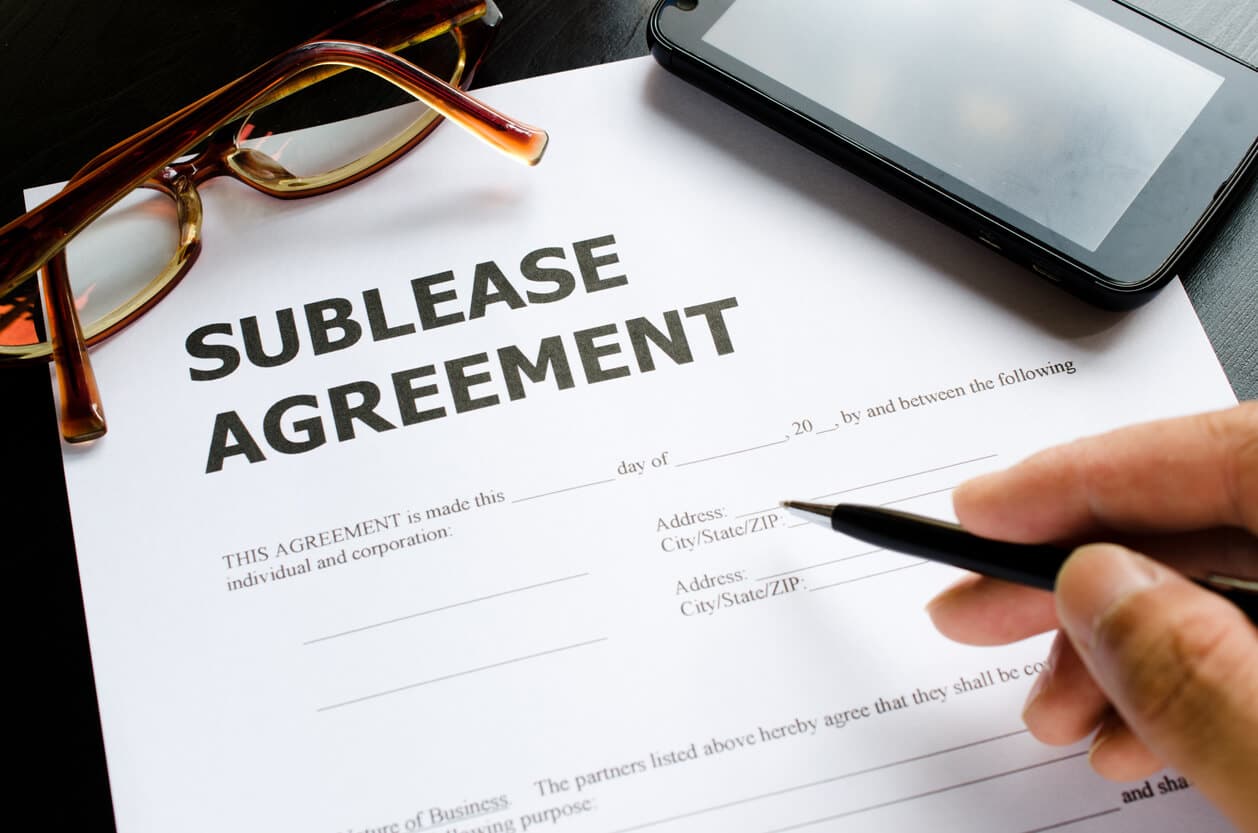
Two flexibility notes, because for a startup that’s the whole game. Graduating from coworking to your own space? Our coworking-to-office guide is the playbook. Eyeing a sublease? Read up on sublease and assignment clauses first, because you inherit whatever the last tenant signed.
This isn’t renting an apartment, and there’s a catch for young companies: the landlord’s quietly betting on whether you’ll still be around in three years. It takes longer than you’d think, the lease is yours to negotiate, and the good space hides off the public sites. A tenant broker, working for you and paid by the landlord, evens it out. The path:
The asking rent is a sticker price. Almost nobody pays it. After free months and build-out money, the real number lands well below the headline, and tech’s been pulling some of the best concession packages in the city. Negotiate the whole thing, not the rate.
This is where the money actually is. In 2025, NYC tech tenants averaged 13.3 months free and build-out allowances up to $131.70 a foot (Colliers, 2026). On a five-year deal, that beats haggling a few dollars off the rent, every time. Ballpark right now:
| Class | Free Rent | Build-Out (TI) Allowance | What to Expect |
|---|---|---|---|
| Trophy / premium A | 8 to 12 months | $100 to $160/SF | Tightest terms, a funded tenant is usually waiting behind you. |
| Class A and premium loft | 12 to 16 months | $80 to $130/SF | The sweet spot for most growth-stage companies. |
| Class B loft / value | 12 to 18 months | $60 to $100/SF | Most leverage on a longer term, prebuilt floors are common. |
| Coworking / sublease | Varies | Usually already built out | Speed instead of concessions, little to no build-out cash. |
Two things to remember. The value’s in the free rent and the build-out allowance, not the rate, as our take on rising landlord concessions explains. And both are negotiable, which our primer on build-out allowances gets into. For a power-heavy fit-out, that build-out number can make or break the deal.
Typical-market figures from recent Metro Manhattan deals and Colliers 2026 data. Final terms depend on credit, term, building, and negotiation.
Early, fast-moving companies want 3 to 5 years, or coworking and subleases, to stay loose. Established firms sign 7 to 10 and up to justify a build-out and lock the rate. Longer gets you better concessions and a frozen rent; shorter keeps you light. Our breakdown of 3, 5, or 10-year terms shows what fits.
Face rent isn’t the whole bill. Budget for:
Forget forecasts. The lease paper tells you everything, and in early 2026 it was almost all tech. AI and software took the biggest blocks in Midtown South and Downtown, and a bunch of them filled their buildings to the roof (The Real Deal; Commercial Observer, 2026).
| Company | Building | Submarket | Size | The Deal |
|---|---|---|---|---|
| Ramp (fintech) | 28-40 West 23rd Street | Flatiron | 285,300 SF | Expansion (Q1 2026), the biggest Midtown South lease of the quarter |
| Harvey AI (legal AI) | One Madison Avenue | Madison Square | ~185,000 SF | Expansion (Q1 2026), filled the building |
| Clay (AI sales) | 11 Madison Avenue | Madison Square | 163,000 SF | New lease at $90/SF (early 2026), filled the building |
| Tennr (health tech) | 345 Hudson Street | Hudson Square | 125,733 SF | Sublease (April 2026) |
| EliseAI | Near Grand Central | Grand Central | 109,000 SF | New lease (2025 to 2026) |
| OpenAI | The Puck Building | SoHo / NoHo | 90,000 SF | New lease (2024), part of an NYC footprint near 1M SF |
| Adaptive Security (AI security) | 120 Broadway | Financial District | 51,220 SF | Relocation (2025), Downtown’s biggest new lease that year |
From The Real Deal, Commercial Observer, JLL, Colliers, and SL Green reporting (2025 to 2026). Separately, an AI company is reported to be closing in on the entire 466,000 SF building at 330 Hudson Street in Hudson Square, a deal not finalized as of June 2026 (Commercial Observer; The Real Deal, April 2026).
See the pattern? None of these are timid. Funded companies signing big, signing long, signing for space they haven’t grown into yet. That’s what keeps the good floors moving and the tech blocks tight.
A few owners control most of the good tech and loft space, and they don’t all deal the same way, which matters as much as the building. SL Green owns the Madison Square towers AI keeps chasing. Trinity runs the Hudson Square campus that landed Google and Disney. Vornado owns Meta’s building at 770 Broadway. Knowing who’s across the table is half the negotiation. More on the biggest NYC landlords.
| Landlord | Notable Tech & Loft Properties | Approx. Portfolio | How They Lease |
|---|---|---|---|
| SL Green Realty | One Madison Avenue, 11 Madison Avenue, One Vanderbilt | ~25M+ SF | 10,000+ SF, 10+ yr |
| Trinity Real Estate (with Norges Bank and Hines) | The Hudson Square campus, including 345 Hudson Street and 155 Sixth Avenue | ~6M SF in Hudson Square | Loft floors, flexible terms |
| Vornado Realty Trust | 770 Broadway (Meta), the Penn District | ~20M SF | 5,000+ SF |
| The Related Companies | Hudson Yards (10, 30, 50, 55) | ~14M SF | 10,000+ SF |
| Williams Equities | 28-40 West 23rd Street (Ramp), and a Midtown South loft portfolio | Midtown South loft owner | Prebuilt and full-floor loft |
| Brookfield Properties | Manhattan West, One Liberty Plaza | ~18M SF | 15,000+ SF |
Portfolio figures are approximate and weighted toward Manhattan office holdings; several owners hold larger national portfolios (Metro Manhattan internal research, June 2026). Properties are publicly reported and illustrative, not exhaustive.
Most tech leases happen in Midtown South, which averaged $88.32/SF in Q1 2026 (Newmark). Funded AI and tech firms on Park Avenue South and in Hudson Square pay $90 to $120/SF; early-stage teams find loft and Class A value at $35 to $70/SF in the Garment District and Downtown. It comes down to the neighborhood, the class, and how hard you negotiate.
Midtown South, which took roughly two-thirds of all tech demand in 2025 and into 2026 (Colliers). Flatiron and Park Avenue South are the AI cluster, Hudson Square holds the big-tech campuses, SoHo and Chelsea pull in creative and consumer tech, and the Garment District is the value play. The right fit depends on your stage, your budget, and the talent you’re chasing.
AI firms took about 415,000 square feet in Q1 2026 alone, half their full-year 2025 total (JLL). New York has the talent, more AI workers than anywhere outside the Bay Area, plus the most AI job openings in the country last year. Most of them require in-person work and sign big, long leases with room to grow into.
A young company with no profit history should expect a bigger deposit, often three to twelve months of rent, depending on your finances and the landlord’s nerves. Many also ask for a personal Good Guy Guarantee on top of, or instead of, cash. A broker can often talk the number down, so raise it early.
Coworking is fastest and most flexible at a higher cost per desk, good for founders and teams under ~20. A sublease can run well under market and comes built out, but the term may be short and the existing tenant sets the rules. A direct lease gives the most control and best concessions, and makes sense once your headcount and runway are steady.
Power and cooling for dense workstations, redundant fiber, and open floors you can reconfigure as the team changes. Loft buildings in Midtown South tend to give you the ceiling height, light, and column-free floors tech wants. Confirm the building can actually handle your electrical and connectivity load before you sign, since older stock often needs an upgrade.
Midtown South is the default, with the loft floors, the peer cluster, and the creative feel. Midtown fits big HQs that need large contiguous blocks, trophy amenities, and the deepest Class A inventory, and a few funded AI firms have signed there, including the record lease at One Vanderbilt. For most startups and growth-stage tech, Midtown South wins.
Still strongly in your favor in the loft markets. In 2025, NYC tech tenants averaged 13.3 months free and build-out allowances up to $131.70 a foot (Colliers). The exact package turns on the building, the term, and your credit, so treat any first quote as an opening bid.
A common range is 150 to 250 usable square feet per person, though open-plan layouts run leaner. Remember you pay for rentable square footage, about 30% more than you use, so confirm both numbers. The most reliable way to size it, and plan for growth, is to run your headcount through an office space calculator before you tour.
Yes, and you should set it up front. Negotiate expansion rights or first dibs on adjacent space, the right to sublease or assign, and a term that matches your runway. A shorter term, a sublease, or coworking all keep you flexible when your 12-month headcount is a guess.
One last thing. A boutique brokerage lives in the 2,000 to 10,000-foot range, exactly where most growing tech teams land, so a search that size gets senior attention start to finish.










Accessibility Tools