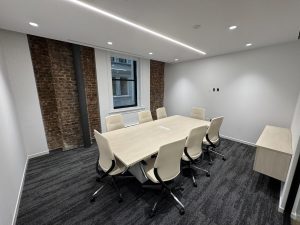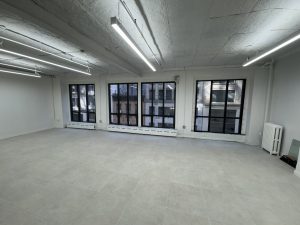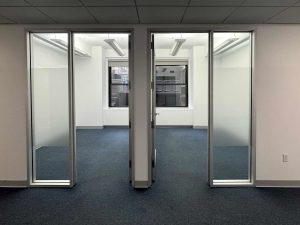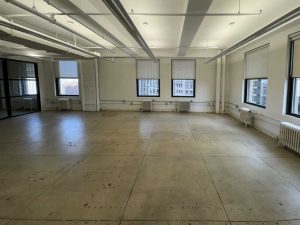
The most affordable of Manhattan’s four markets, with strong value in Class B and C towers.

Find the right property, avoid hidden costs, and negotiate favorable terms.

New York is the deepest office market on earth, and one of the most uneven. The same city that set an all-time office rent record at One Vanderbilt still has value space renting in the $30s a few blocks away in the Garment District. What you pay is not really a citywide number. It comes down to three decisions: which market you choose, which building class you choose, and how hard you negotiate.
This page is your guide to all three, plus the buildings worth knowing and exactly how leasing works once you start. Two things to keep in mind up front. Broker representation costs a tenant nothing in New York, because the landlord pays the commission, so getting an expert in your corner is free. And almost none of the good space sits on public search platforms, which is why this page pairs a map of the market with the building and leasing knowledge a data feed cannot give you. For current asking rents by market, the neighborhood pages carry the live numbers.
A tenant representation broker works only for you, with no building of their own to fill. Out of the thousands of spaces on the market at any moment, that means the ones you tour are the ones worth seeing.
Manhattan office space splits into four markets, and they are not interchangeable. Pick the market first, because it narrows everything else. Each link below opens that market’s page, where the current rents and availability live.

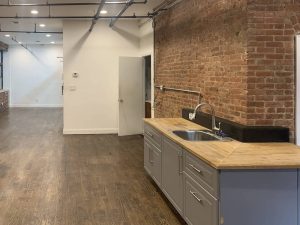
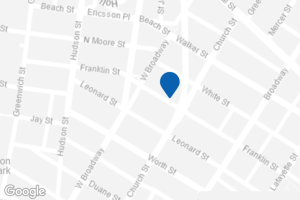
The most affordable of Manhattan’s four markets, with strong value in Class B and C towers.

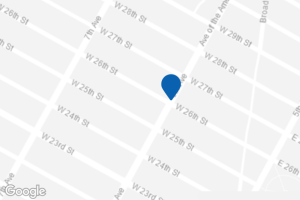
The city’s largest office market. Trophy towers, Park Avenue, and everything in between.

Manhattan’s loft district. Creative, tech, and fashion firms cluster here for the light and the character.

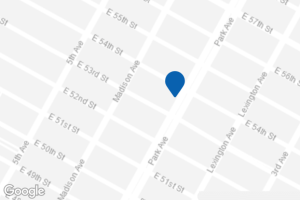
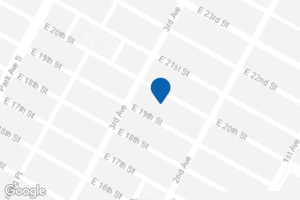
Quieter, smaller inventory, and the best value for medical practices and neighborhood-serving businesses.
No data platform can tell you which lobby still stops people in their tracks, which roof deck is worth the premium, or which converted warehouse actually feels good to work in all day. You learn that by walking the buildings, and we have spent two decades doing exactly that. The buildings below are grouped by what makes them worth knowing, not by neighborhood, so wherever your search lands, you walk in knowing the standouts.
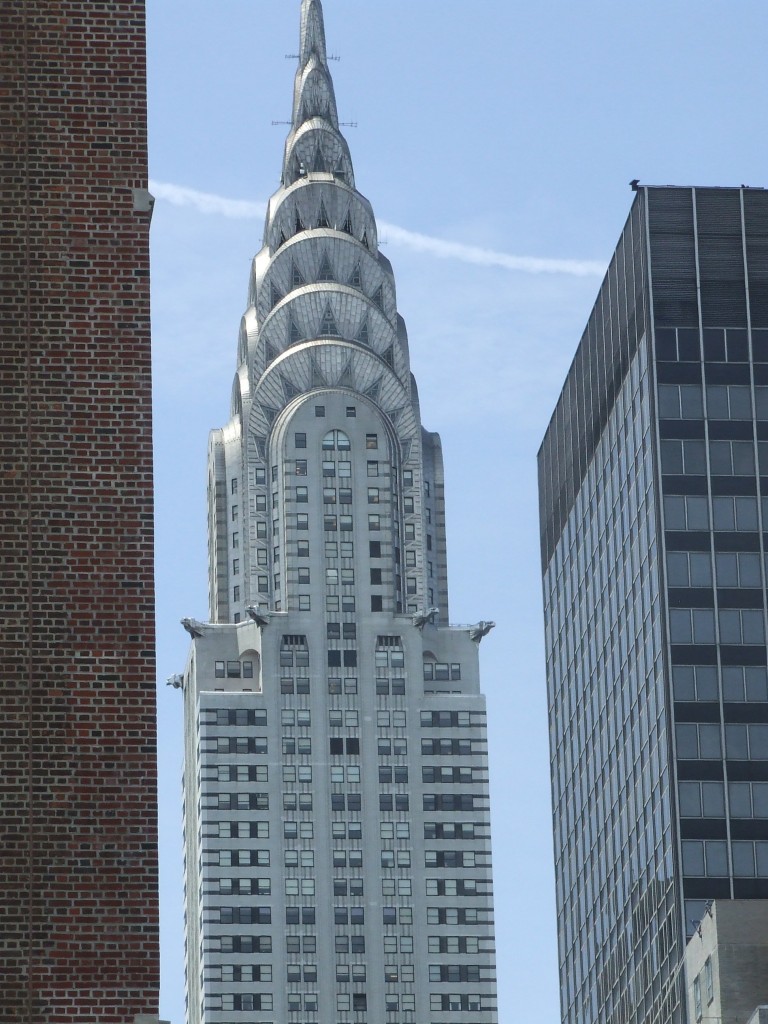
Some addresses do work no broker can. They tell a client exactly who you are before the meeting starts.
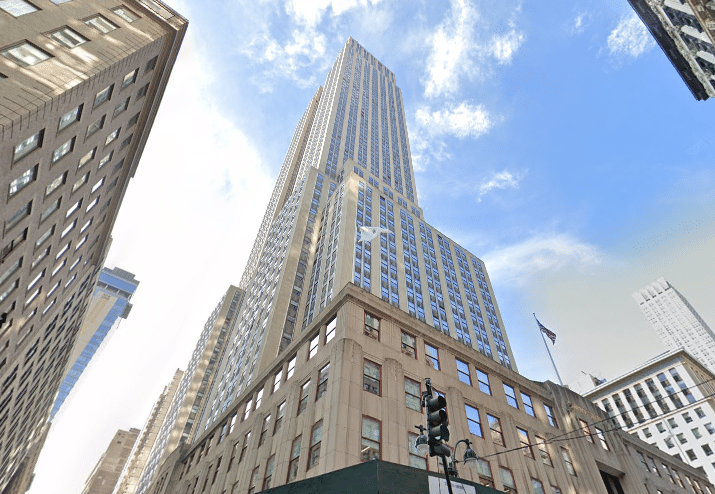
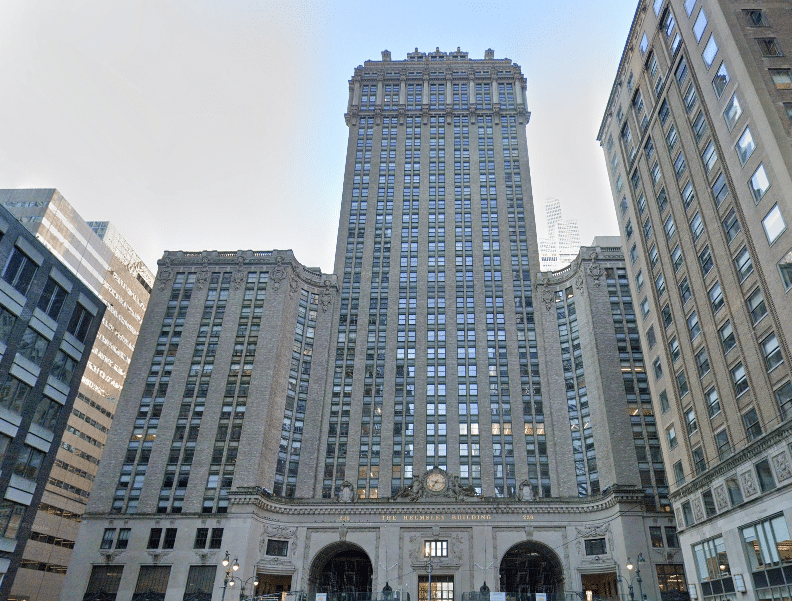
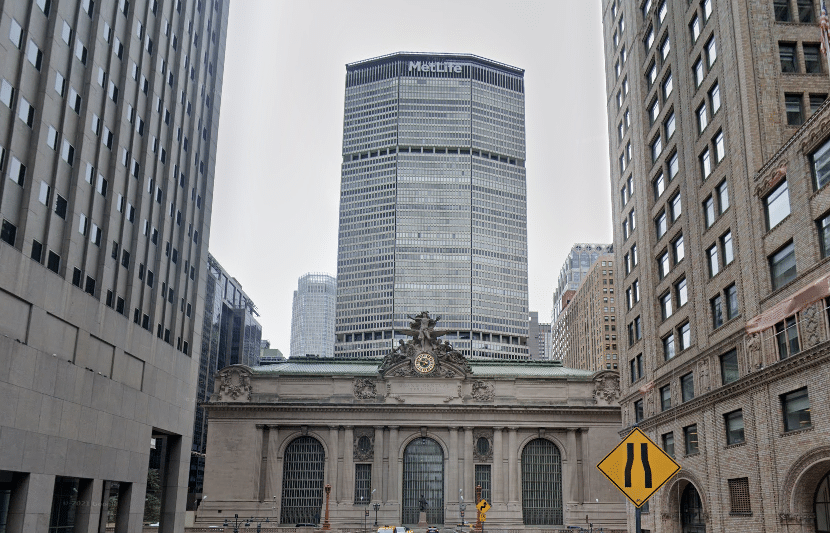

Trophy is its own tier above Class A: the newest systems, hotel-grade service, and the addresses that win recruiting battles.
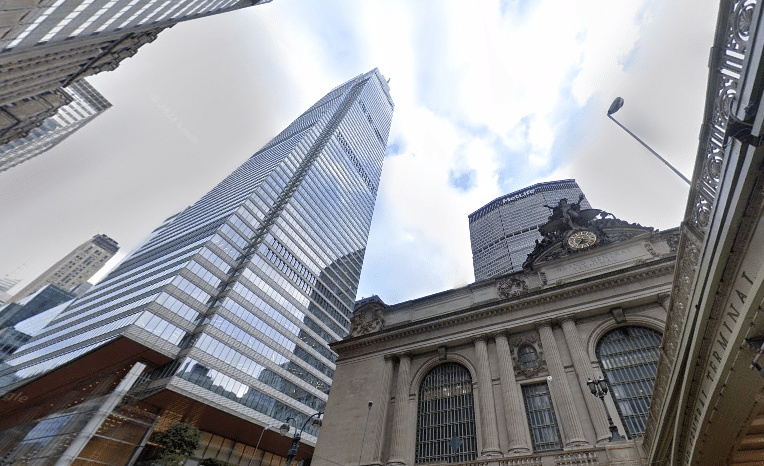
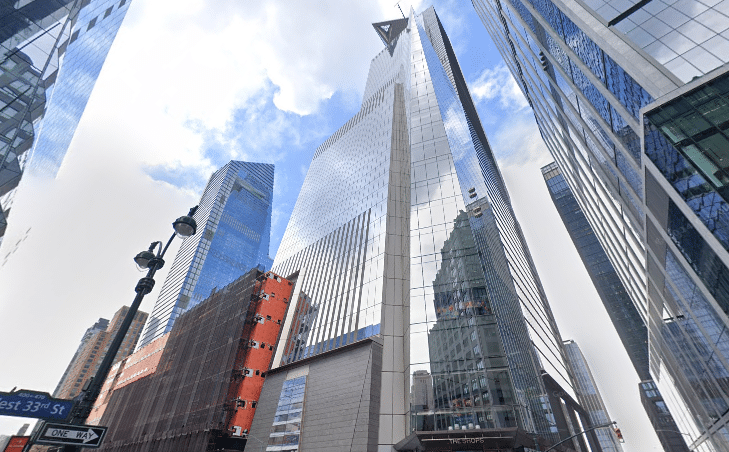
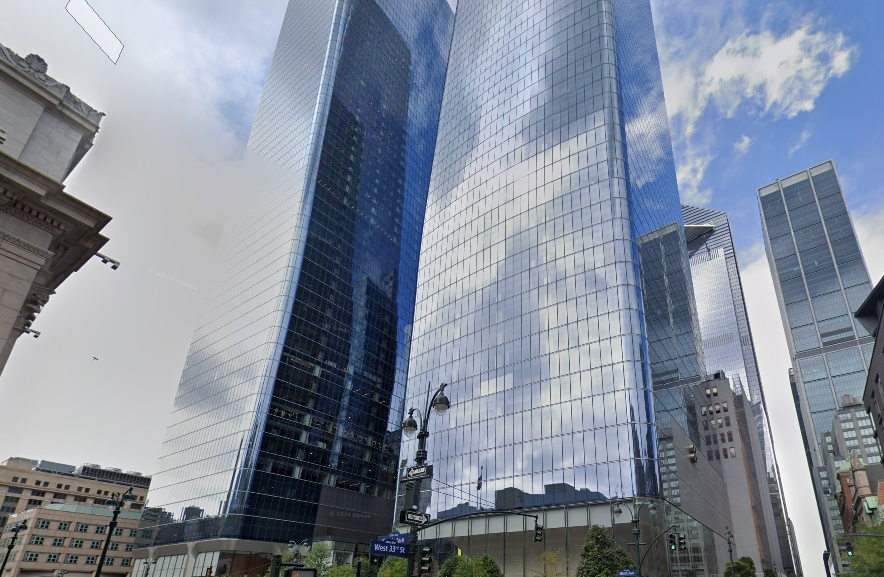
For what actually separates a trophy tower from ordinary Class A, see how trophy buildings set themselves apart.
Amenities stopped being a nice-to-have and became a recruiting tool. If you want your team in the office three days a week, the building has to give them a reason to show up.
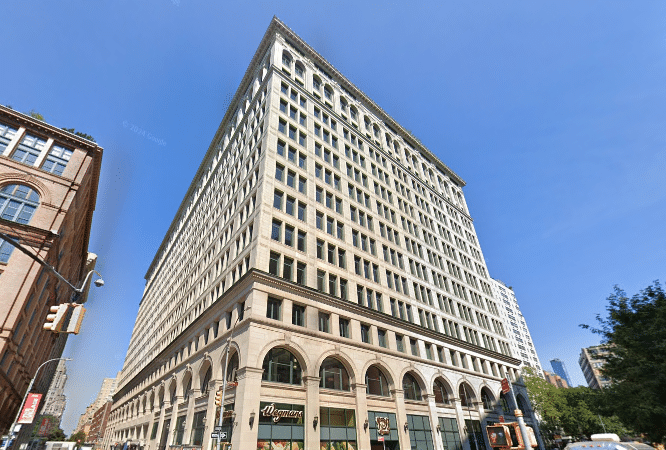
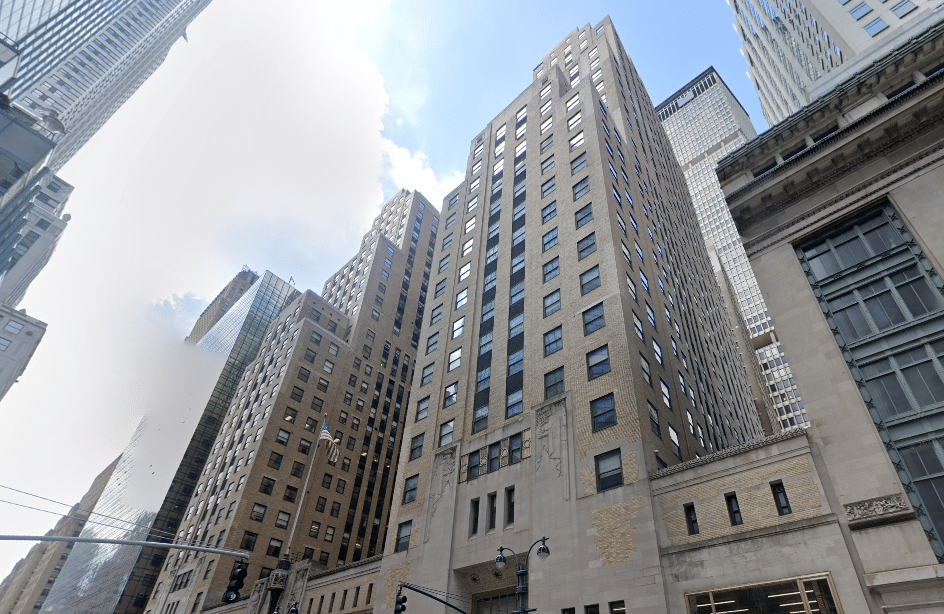
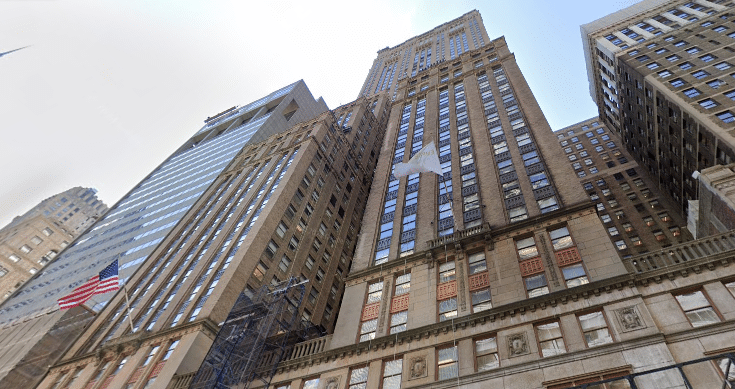
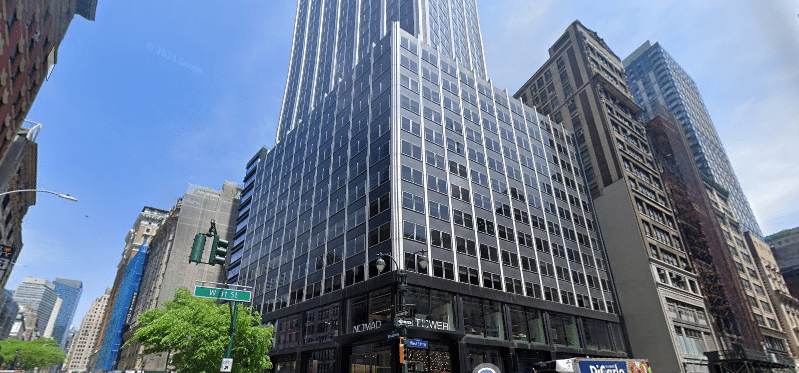
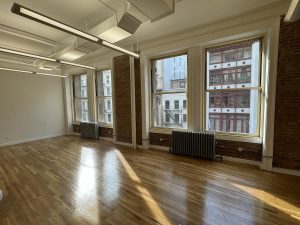
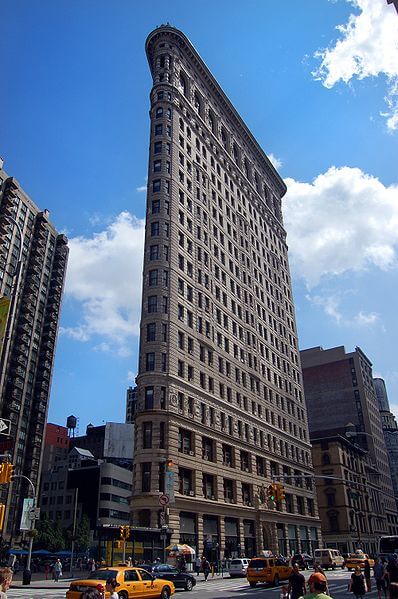
The loft is New York’s signature office: former factories, printing houses, and warehouses with ceiling height, light, and floor plates a glass tower cannot fake. Most of the best ones sit in Midtown South.
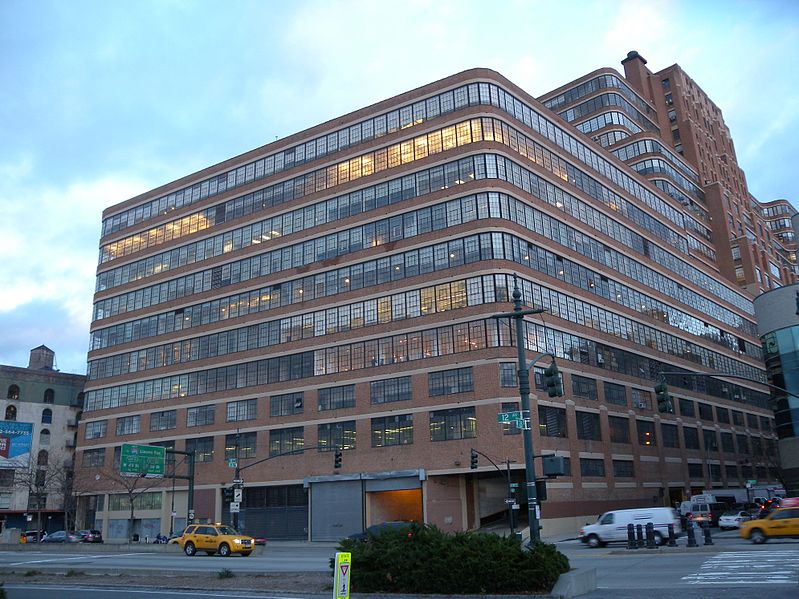
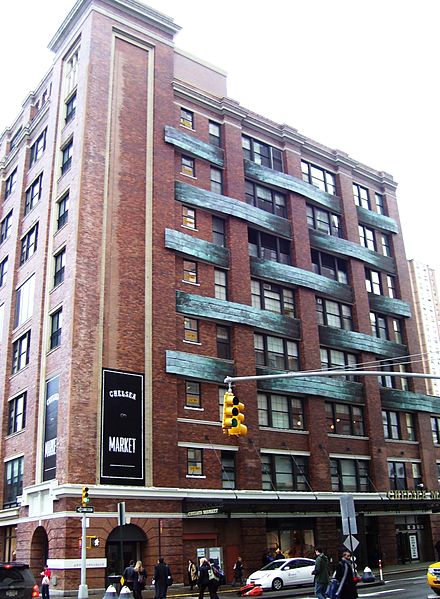
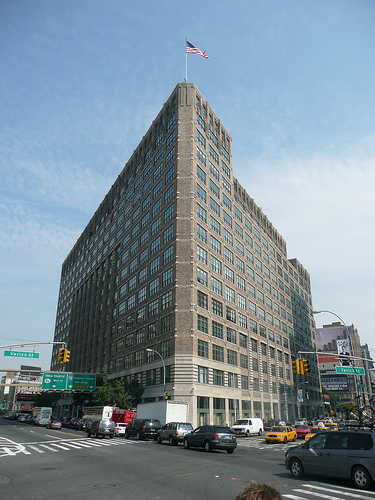
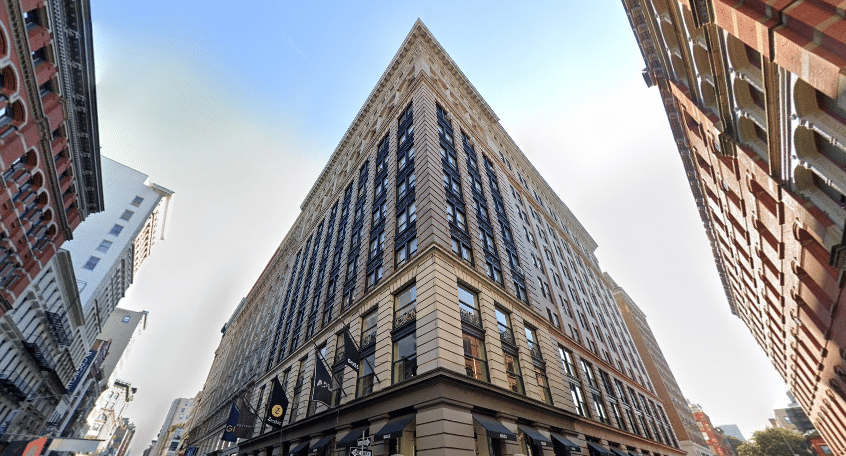
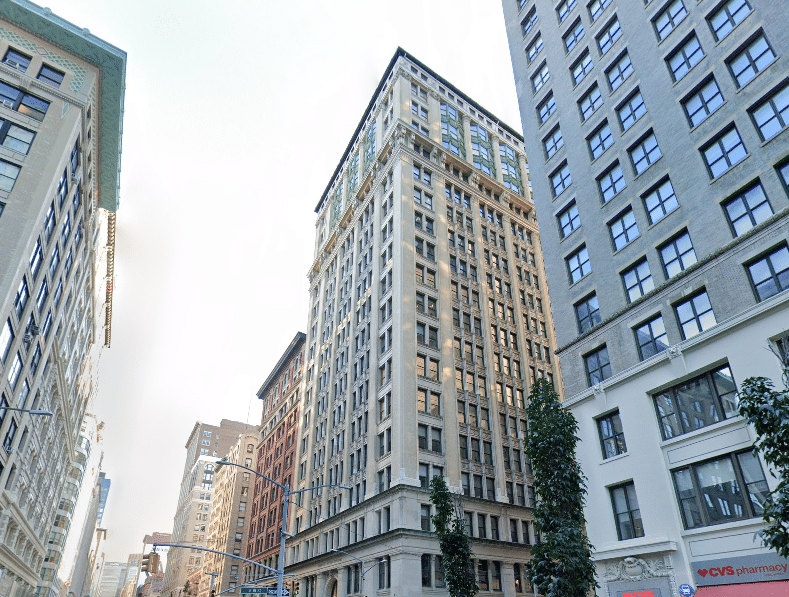
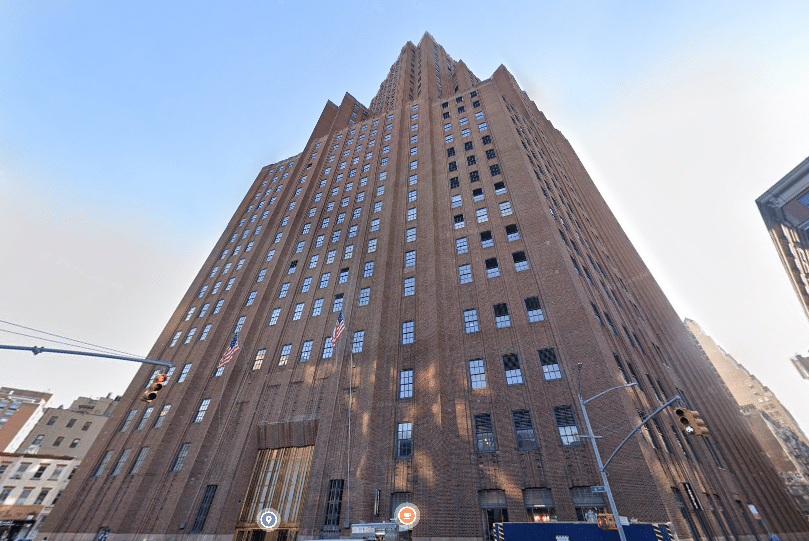
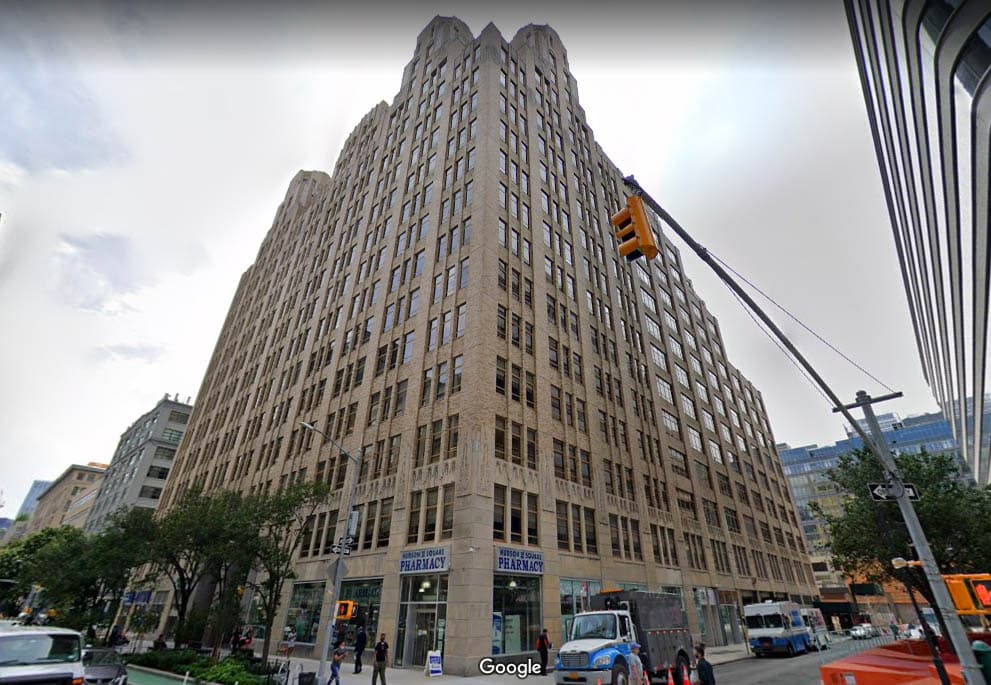
Private terraces and roof decks are the hardest thing to find in New York office space, and the first thing tenants ask for now.
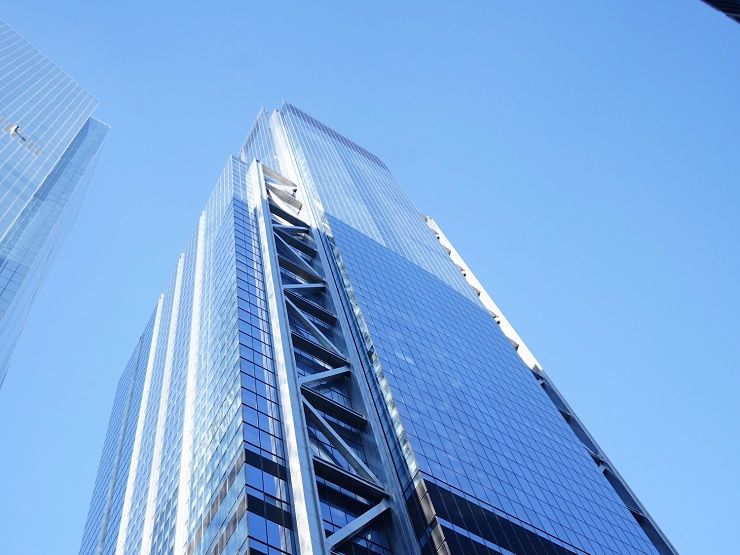
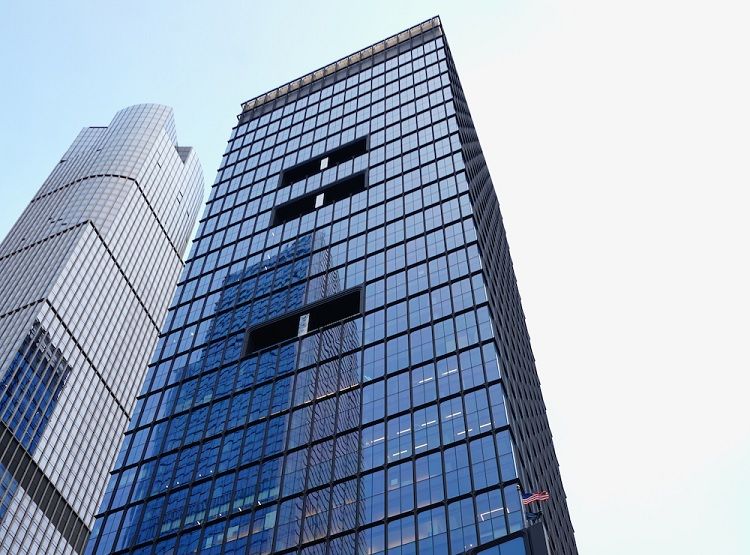
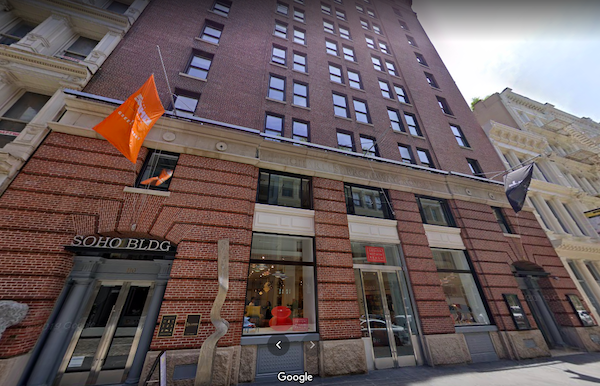
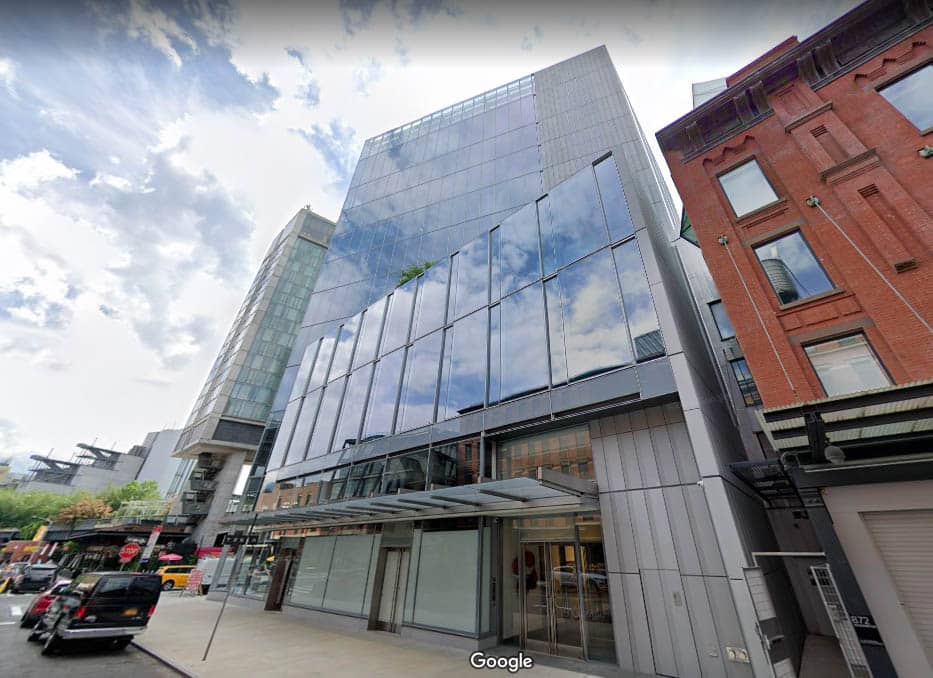
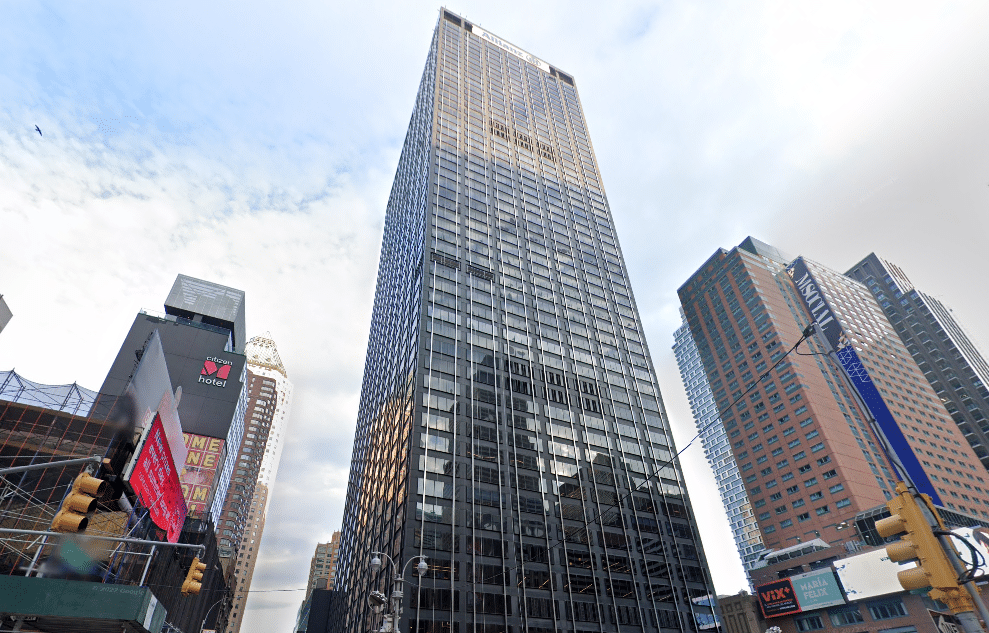
Private tenant terraces turn over building by building and floor by floor, so this is the list to confirm with us before you tour. Tell us outdoor space is a must-have and we will pull what is actually available right now.
Want the longer list? Our roundup of the top Class A buildings in Midtown goes deeper on the trophy end.
That kind of building knowledge comes from one place: showing space across the whole city every day, rather than repping one or two landlords’ buildings. It is also what puts the best spaces, and the quiet off-market opportunities, in front of you first.
Before you compare two spaces, get the class system straight, because it drives price, perception, and what the space will actually feel like to work in.
A warning on those letters: the A, B, and C system is only a rough grade of a building’s age, systems, and prestige, and it falls apart in loft markets. A 1910 cast-iron “Class B” loft in SoHo routinely out-rents a Class A tower, because tenants are paying for ceiling height, light, and the block, not the letter. Treat class as a starting filter, not a verdict. Our explainer on what makes a building Class A, B, or C breaks down the distinctions.
| Class | What It Means | Rough Rent Position | Typical Buildings |
|---|---|---|---|
| Trophy | The newest supertalls and flagship towers, hotel-grade service, the best addresses in the city. | Top of the market, well above Class A | One Vanderbilt, Hudson Yards, the Park Avenue trophies |
| Class A | Modern or well-renovated towers, staffed lobbies, real amenities, strong building systems. | Premium, below trophy | Midtown core, Park Avenue, prime Midtown South lofts |
| Class B | Solid, functional, often prewar buildings, many upgraded with move-in-ready spec suites. | Mid-market | Grand Central side streets, Flatiron, Murray Hill |
| Class C | Older, no-frills, often converted manufacturing or loft stock. The deepest value in the city. | The value tier | Garment District, Herald Square, older avenue towers |
Rent positions are relative, not absolute. The actual dollar figure depends entirely on the submarket and the building, and the neighborhood pages carry the current numbers.
What you pay depends on the building class more than anything else, so the ranges below are organized that way. They are directional and Manhattan-wide, meant to put you in the right ballpark before you tour rather than to price a specific space.
| Class | Typical Asking Rent (per SF/year) | Typical Lease Term | Best For |
|---|---|---|---|
| Trophy | $100 and above | 10+ years | Financial services, law firms, recruiting-driven businesses |
| Class A | $65 to $100 | 5 to 10 years | Established companies wanting quality without trophy pricing |
| Class B | $40 to $70 | 3 to 7 years | Mid-market businesses, professional services, prebuilt users |
| Class C | $28 to $50 | 3 to 5 years | Value-focused tenants, startups, back-office operations |
Asking rents as of April 1, 2026. Updated quarterly; next update July 1, 2026.
For current asking rents by market, see: Downtown Manhattan, Midtown Manhattan, Midtown South, Uptown Manhattan.
Ranges are Manhattan-wide and directional. Actual rents vary by neighborhood, floor, and lease term.
Before you tour anything, decide what kind of space you are actually shopping for. A traditional direct lease, a move-in-ready prebuilt, a creative loft, a coworking desk, and a sublease are five different products with five different commitments and price points. Most tenants do not realize they have this many options.
| Type | Best For | Typical Commitment | Trade-Offs | Explore |
|---|---|---|---|---|
| Direct lease | Established teams that want control and a custom build-out. | 5 to 10 years | Best concessions and leverage, longest commitment. | |
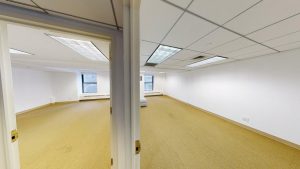
| Prebuilt / spec suite | Teams that need to move fast without managing construction. | 3 to 7 years | Move-in ready, less customization. | |
| Loft space | Creative, tech, and fashion firms that want character and light. | 5 to 10 years | High ceilings and big windows, concentrated in Midtown South. | Loft |
| Coworking / flex | Startups, satellite teams, anyone under about 20 people or unsure of headcount. | Month to 2 years | Fast and flexible, higher per-desk cost, less control. | Coworking |
| Sublease | Cost-sensitive tenants and shorter time horizons. | 1 to 5 years | Often well below market and prebuilt, terms set by the existing tenant. | Sublets |
Commitment ranges are typical-market and vary by deal (Metro Manhattan internal research, June 2026).
Industries cluster in New York, and the cluster usually tells you where to look and what to pay. Match your business to the right neighborhood and the right vertical page below.
| Industry | Where They Cluster | Best-Fit Space | Vertical Page |
|---|---|---|---|
| Financial services, PE, hedge funds | Park Avenue, Plaza District, the World Trade Center | Trophy and Class A towers | Financial Services |
| Law firms | Park Avenue, 42nd Street, Downtown | Trophy and renovated Class A | Law Firm Offices |
| Technology, SaaS, AI | Flatiron, Hudson Square, Chelsea, SoHo | Converted lofts and warehouse | Startup & Tech |
| Media, advertising, creative | SoHo, Hudson Square, Chelsea, Sixth Avenue | Cast-iron and converted loft | Ad Agency Space |
| Healthcare, medical practices | Upper East Side, Grand Central, Midtown East, Gramercy | Class B and C with medical infrastructure | Medical & Healthcare |
| Retail, showroom, ground floor | SoHo, Madison Avenue, Flatiron, high-traffic corridors | Ground-floor and showroom | Retail/Stores |
| Startups, small business (under 20) | Garment District, Flatiron side streets, Gramercy, Financial District | Class B and C, prebuilts, coworking | Small-business neighborhoods |
Cluster patterns are Metro Manhattan internal research (June 2026).
Leasing office space in New York is not like renting an apartment. The process runs longer, the lease is heavily negotiable, and almost none of the good space sits on public search platforms. A tenant rep broker who works only for you, and is paid by the landlord, levels the field. Below is the path from “we need space” to “we moved in.”
The face rent your broker first quotes is almost never what you actually pay. Net effective rent, after free months and build-out money, can land well below the asking number. The savviest tenants negotiate the whole package, not just the headline rate.
The real value lives in two negotiable levers: free rent and the tenant improvement (TI) allowance. Depending on the building, your credit, and the lease term, free rent can run from a few months to well over a year, and TI can range from a modest fit-out contribution to a six-figure-per-floor allowance. Both move with the submarket and the landlord, so treat any quoted package as a starting point, never a fixed menu. For typical concession ranges in a specific market, the neighborhood pages carry the local specifics.
Two ideas do most of the work. First, the value lives in the free rent and the TI allowance, not the asking rate, as our look at rising landlord concessions explains. Second, those allowances are negotiable; our primer on tenant improvement allowances walks through the common structures and how to bargain.
This is also the strongest argument for touring more than one option. Seeing several spaces at once shows you what the market is really charging and what landlords are actually giving away, from free months to build-out dollars, and a landlord who knows you have alternatives tends to get more flexible on both price and terms.
Three, five, and ten years each carry trade-offs. Longer terms pull richer concessions and lock in your rent; shorter terms keep you flexible if you expect to grow or shrink. Our breakdown of 3-year, 5-year, or 10-year lease terms lays out which fits which kind of business.
A handful of owners control much of Manhattan’s best office space, and each negotiates differently, which matters as much as which building you pick. SL Green, the city’s largest office landlord, moves fast and pushes hard. Empire State Realty Trust will take a 2,500 SF tenant seriously where some names will not take the meeting. Trinity Real Estate runs the Hudson Square play, and Vornado owns Meta’s home at 770 Broadway along with the Penn District. Who you sit across from shapes the deal. Background reading: our overview of the biggest commercial real estate landlords in NYC.
| Landlord | Notable Properties | Approx. Portfolio | Concentrated In |
|---|---|---|---|
| SL Green Realty | One Vanderbilt, the Graybar Building, 245 Park (partial) | ~25M+ SF | Midtown, Grand Central |
| Vornado Realty Trust | Penn 1 & 2, 770 Broadway, 1290 Avenue of the Americas | ~20M SF | Midtown, Penn District, Midtown South |
| Tishman Speyer | Rockefeller Center, the MetLife Building, the Spiral | ~13M+ SF | Midtown, Hudson Yards |
| Brookfield Properties | Brookfield Place, Manhattan West, One Liberty Plaza | ~18M SF | Downtown, Hudson Yards |
| The Related Companies | Hudson Yards complex, Time Warner Center | ~14M SF | Hudson Yards, Columbus Circle |
| Empire State Realty Trust | Empire State Building, One Grand Central Place | ~10M SF | Midtown, Grand Central |
| RXR | the Helmsley Building, 75 Rockefeller Plaza, 5 Times Square | ~7M+ SF (Midtown) | Midtown, Grand Central |
Portfolio figures are approximate and weighted toward Manhattan office holdings; several of these owners hold larger national portfolios (Metro Manhattan internal research, June 2026). This is the section we expand over time, building out who owns each building and how they deal.
Every search gets senior, hands-on attention from start to finish, not passed down to a junior broker.
Office rent is set by three things: the market or neighborhood, the building class, and how you negotiate. The same city has record-setting trophy floors and value space renting in the $30s, so a single citywide average tells you very little on its own. Decide your market and your class first, then negotiate the package; the neighborhood pages carry the current asking rents for each market.
Value comes from class and age more than address. Older Class B and C buildings, move-in-ready prebuilt suites, and subleases all price well below trophy and Class A space. Downtown is traditionally the most affordable of the major markets, and within any market the older side-street inventory rents cheapest.
Class is a rough grade of a building’s age, systems, amenities, and prestige. Class A means modern or well-renovated towers with staffed lobbies and strong amenities, Class B means solid, functional, often prewar buildings, and Class C means older, no-frills, deep-value space. The labels are only a guide, and they break down in loft markets like Midtown South, where a Class B cast-iron loft can out-rent a Class A tower.
Most NYC office inventory never appears on public search platforms, so a tenant rep broker is how you see the full market. A broker also knows which landlords are dealing, which buildings have move-in-ready suites, and where asking rents have room to move. Brokerage commissions are paid by the landlord, so the cost to the tenant is effectively zero.
A common rule of thumb is 150 to 250 SF per employee, though it varies widely by layout and how many private offices and conference rooms you need. Remember you pay for rentable square footage, which runs about 30% above usable, so a 1,000 RSF suite yields roughly 700 USF of real space. The most reliable way to size a space is to run your headcount and layout through an office space calculator before you tour.
Concessions remain tenant-favorable across most of Manhattan, and the two levers that matter most are free rent and the tenant improvement allowance. Both are negotiable, and both vary widely by submarket, building, and your credit, so treat any first quote as a starting point. The neighborhood pages carry typical local concession ranges, and a broker will tell you where a specific landlord has room to move.
NYC office leases typically run 3, 5, or 10 years, and each carries trade-offs. Longer terms pull richer concessions and lock in your rent, while shorter terms keep you flexible if you expect to grow or shrink. Subleases and coworking offer even shorter commitments when flexibility matters more than cost.
Plan for electricity (billed as rent inclusion at roughly $3 to $4 per RSF, sub-metering, or a direct meter), commercial liability insurance, a security deposit, and annual rent escalations. Build-out costs can be significant, though landlords often contribute through a tenant improvement allowance. A good broker prices the full package, not just the face rent.
A traditional direct lease gives you the most control, the best concessions, and the longest commitment, which suits established teams. A sublease can run well below market and move fast, but the terms are set by the existing tenant and the remaining term may be short. Coworking is the most flexible and the fastest to occupy, with a higher per-desk cost, which makes it a fit for small teams, satellite offices, or companies unsure of their headcount.
It depends on the space. A move-in-ready prebuilt or a sublease can be done in a few weeks to a couple of months. A custom build-out runs longer, often 4 to 9 months from the start of your search to move-in, because negotiation, design, permits, and construction all take time. Start earlier than feels necessary.
Asking rent, also called face rent, is the headline number the landlord quotes. Net effective rent is what you actually pay once free months and the tenant improvement allowance are spread across the lease term, and it lands well below the face rent. Always compare competing offers on net effective rent, not the asking number, because two spaces with the same face rent can cost very different amounts.
One last thing worth knowing as you start. A boutique brokerage specializes in requirements of roughly 2,000 to 10,000 SF, so a search that size gets senior attention from start to finish.






Accessibility Tools